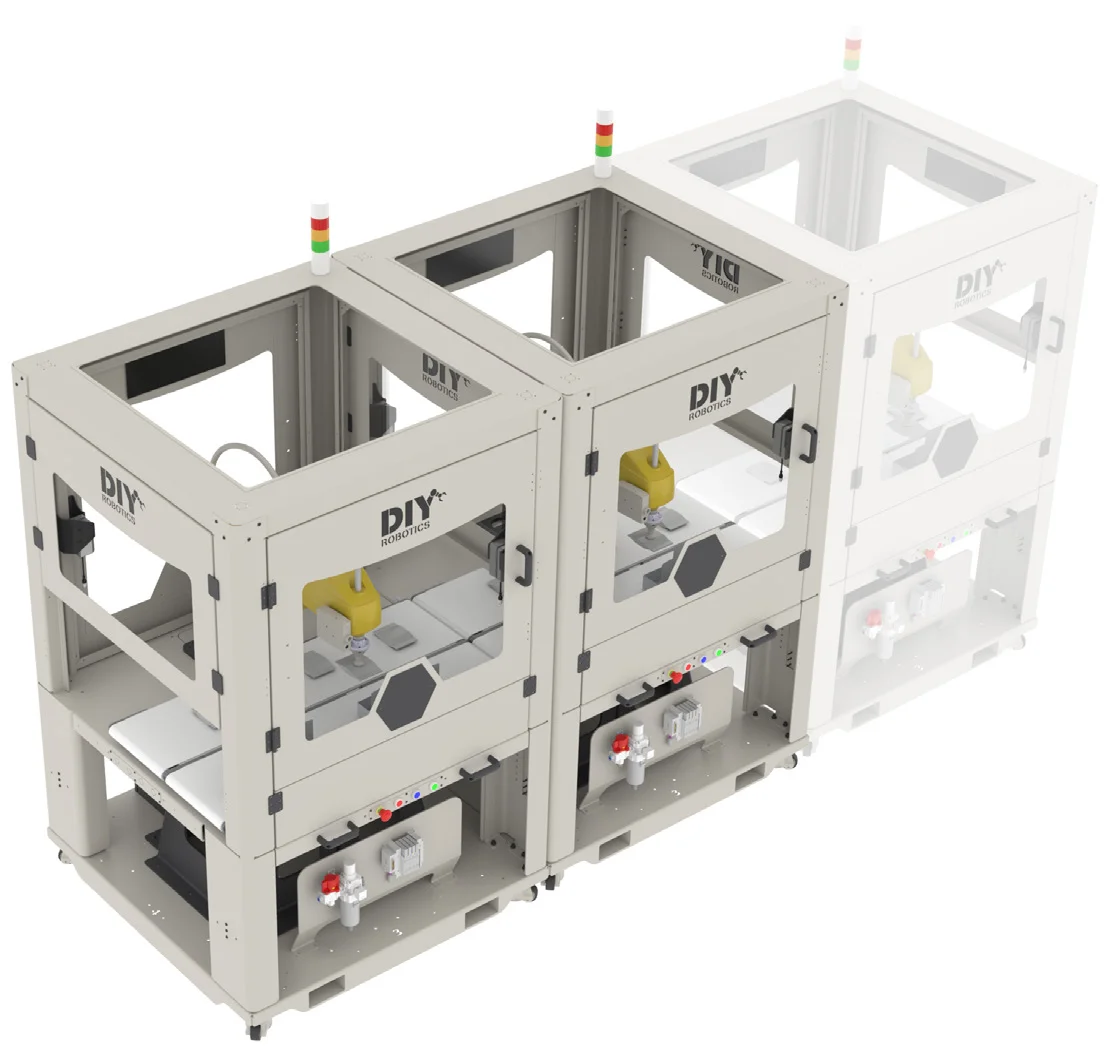
First automation project

Your first automation project, without the gamble

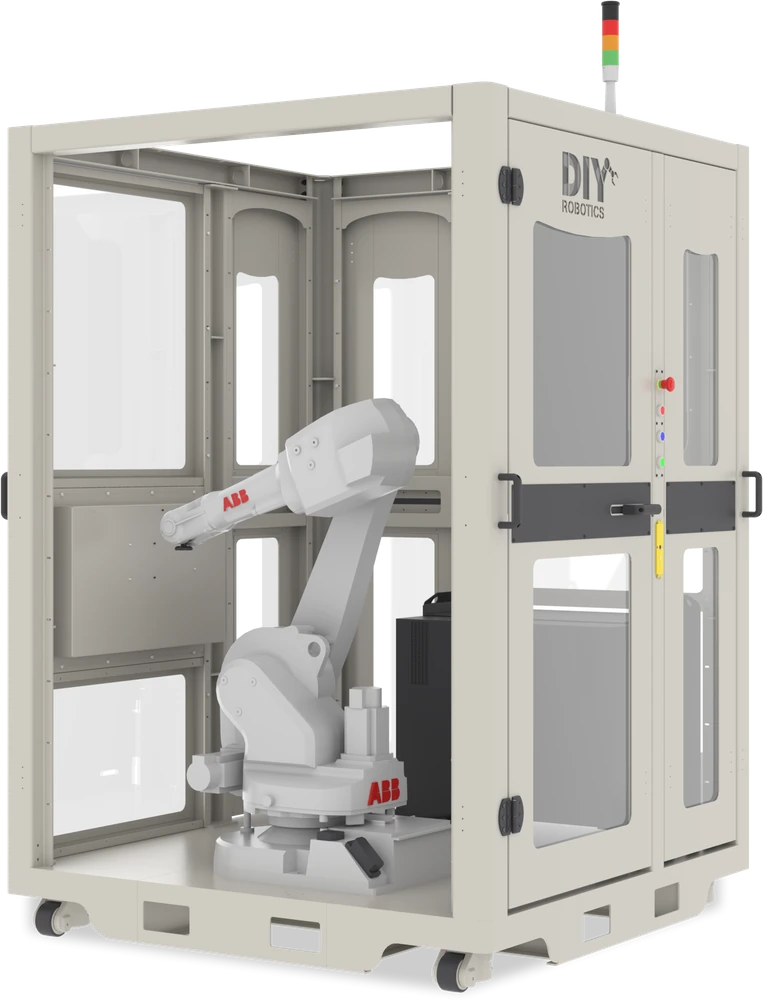
The DIY Classic is a complete robotic cell that arrives with the robot installed, the electrical panel pre-wired and the safety programmed. Your team starts on your application, not the wiring.

FANUC or ABB robots · Pre-wired and safety programmed · Built and tested before it ships

First project? DIY++ is your safety net if you ever need a hand.
Pre-order now open

Your first robot,
ready for 2027

Reserve your DIY Classic now and lock it into next year’s budget. Once it reaches your plant, installation takes as little as 1 week.

✓FANUC or ABB robot included✓Pre-wired and safety programmed✓Install in as little as 1 week

DIY Classic robotic cell with a robot arm inside a white enclosure

Book for2027

1,000+ cells delivered

Food · pharma · plastics · aerospace · general manufacturing

ABB logo
Siemens Energy logo
Pratt & Whitney logo
BRP logo
Why first projects stall

It’s not the robot. It’s everything around it.

You already know which job you want to automate. The project stalls on everything else: wiring the panel, programming the safety, choosing the right robot, and deciding who will run it once it’s in.

That’s why so many first robot projects sit in a folder for years. Not because they don’t make sense. Because nobody wants to be the one who picked wrong.

The DIY Classic takes most of those decisions off the table before the cell reaches your floor.
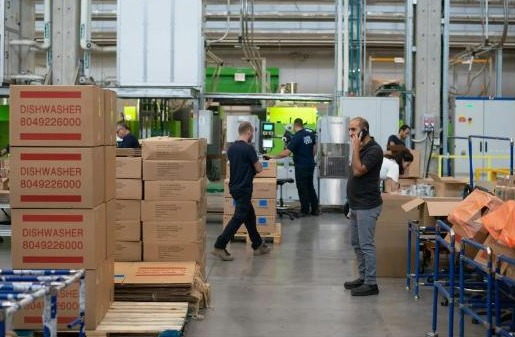
Production team on a plant floor between stacked boxes and a line
What ships with a Classic

Save up to 200 hours of engineering and setup

A DIY Classic is a complete robotic cell, not a kit. Compared with building a cell from scratch, the engineering, wiring, assembly and base programming that usually stall a first project are done and tested in our shop.

Robot and controller installed

FANUC or ABB, matched to the cell. No mounting or alignment on your side.

Cabinet pre-wired and certified

cULus, CSA compliant, 32 inputs and 32 outputs ready for your application. Your electrician connects power, not a panel.

Safety and base programming done

Alarms, lights, door interlock, timers and an operator screen. Your team programs the application, not the foundations.

Three buttons to run it

Start. Stop. Reset. Operators don’t need to be programmers.

Built and tested off-site

Your line keeps producing while the cell is built.

On wheels and forklift-ready

When the job, the line or the building changes, the cell moves with it.
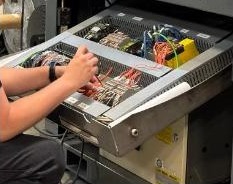
Technician wiring the electrical cabinet of a DIY Classic cell
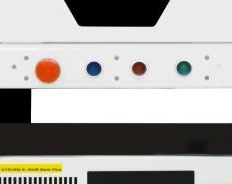
Operator buttons on a DIY Classic cell

Add what your project needs, as it evolves. Add crossbeams, an XYZ mounting kit for cameras or tooling, dual doors, a draining pan and more, so the cell keeps fitting your process as your project changes, with fewer custom engineering hours.

Where to start

Jobs that make a great first project

The best first project is repetitive, predictable and hard to staff. These are the ones we see most.
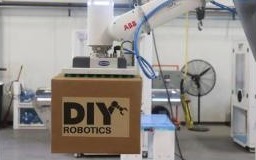
ABB robot packing products into a DIY Robotics box

Packaging

Picking products into boxes, trays or cases at the end of the line.
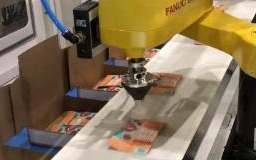
FANUC SCARA robot doing pick and place on a conveyor

Pick and place

Moving parts between conveyors, fixtures and bins, all shift long.
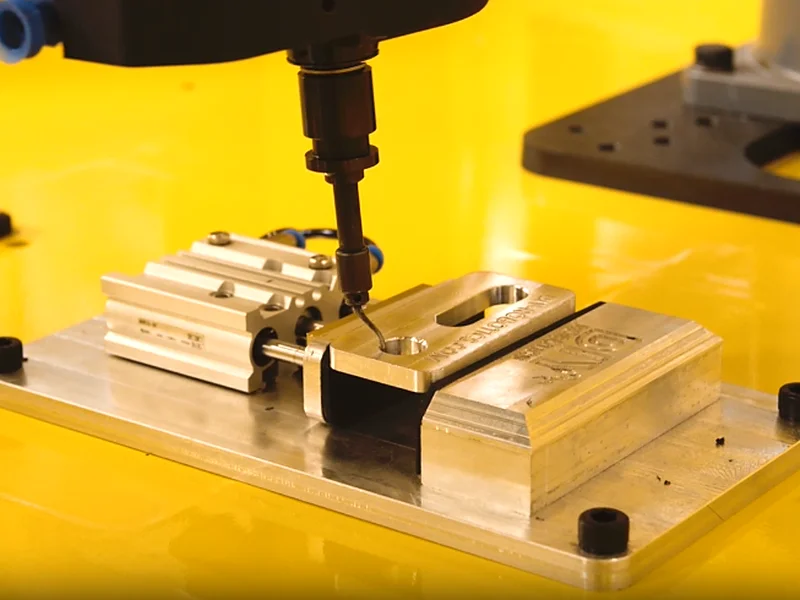
Robot sanding and deburring a metal part held in a fixture

Sanding and deburring

Dry or wet finishing, with a draining pan for wet work.
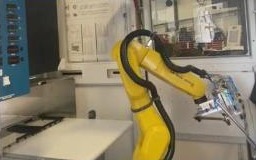
FANUC robot arm loading parts inside a DIY cell

Machine loading

Feeding and unloading a machine so operators don’t have to stand at it.
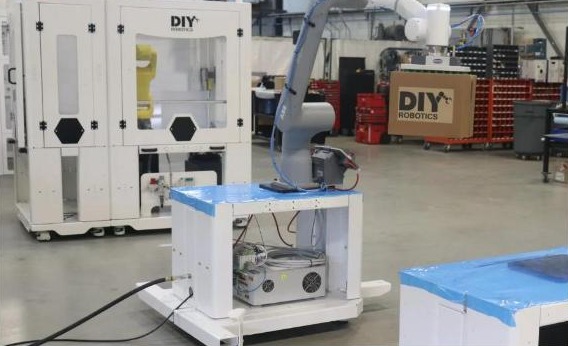
Collaborative robot palletizing DIY Robotics boxes next to a DIY cell

Palletizing

Stacking cases onto a pallet at the end of the line, layer after layer, so nobody lifts boxes all shift.

Check our Pallet Analyzer tool to see which robots fit your pallet.

Not sure your job fits? Tell us about it

Classic or Basic

Classic or Basic: which one for a first project?

DIY Basic is the cell without a robot, built for teams with in-house integration skills. For a first project, the Classic ships with the work most teams underestimate.

StepDIY Basic + your own robotDIY Classic
Choose and buy the robotYour teamIncluded, FANUC or ABB
Mount the robot and controllerYour teamDone
Design and wire the electrical panelYour team or a contractorDone and certified
Program safety, alarms and interlocksYour teamDone
Operator controls and screenYour teamDone
Test the full cellOn your floor, during productionIn our shop, before it ships
Where your team startsAbout 80 hours of setup, plus your applicationYour application

Comparing quotes? Add about 80 hours of setup to the Basic side, plus your application. Starting from scratch instead? A Classic saves up to 200 hours.

What a first robot does for your plant

Put your people where they matter

The robot takes the repetitive work. Your people run it, set it up and improve the line.
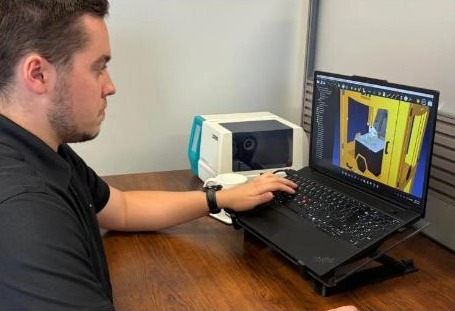
Engineer programming a robot cell simulation on a laptop
1.9 million

Up to 1.9 million U.S. manufacturing jobs could go unfilled by 2033.

Source: Deloitte and The Manufacturing Institute, 2024

241

industrial robots per 10,000 manufacturing workers in Canada, versus 307 in the U.S. and 449 in Germany.

Source: International Federation of Robotics, World Robotics 2025 (2024 data)

Proof in the numbers

See the numbers for your plant

Plug in your own figures. No sign-up, results on screen in about two minutes.
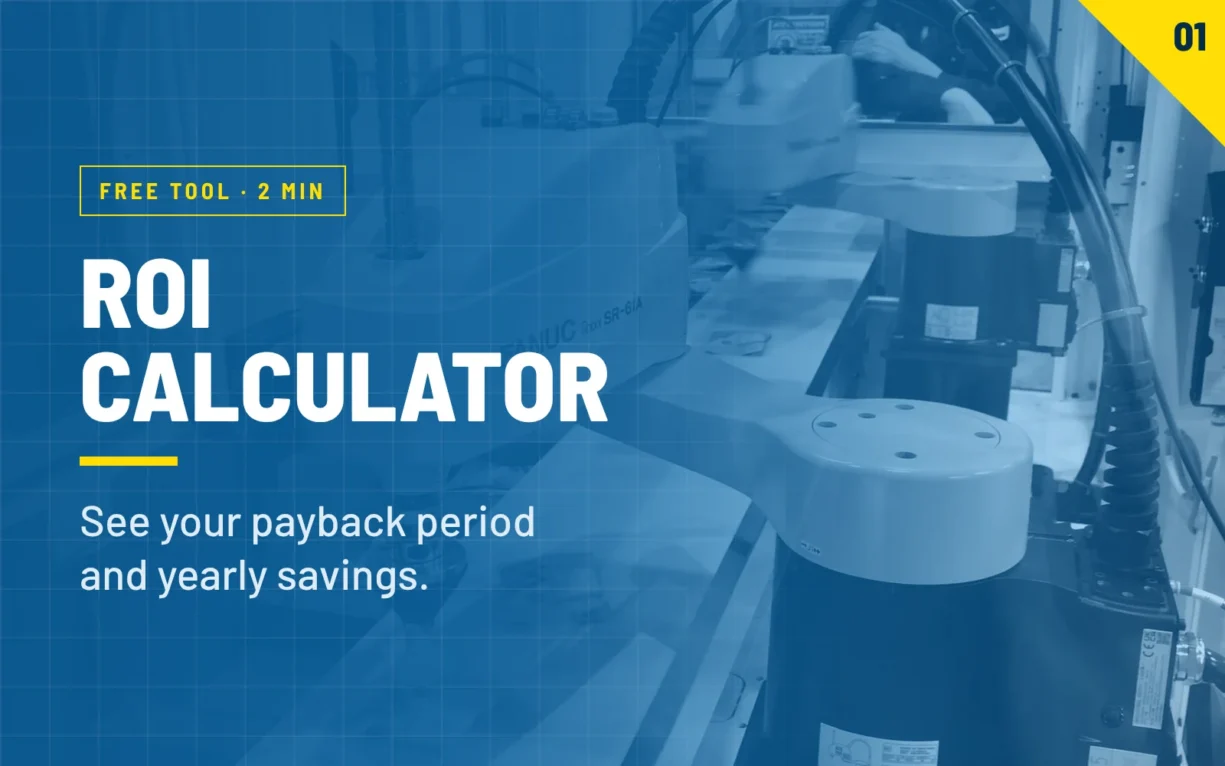
ROI calculator

How fast would a robot pay for itself?

Enter your labour cost, shifts and scrap rate. See your payback period and annual savings.

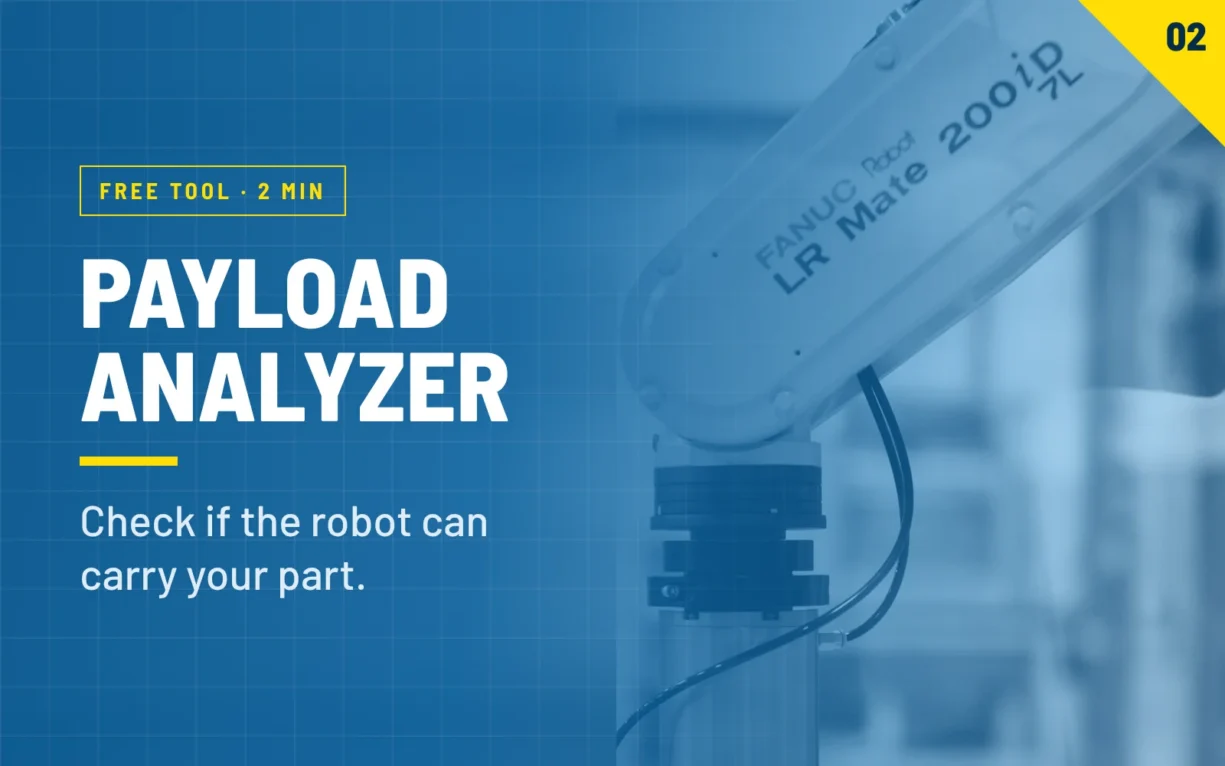
Payload analyzer

Can the robot handle your part?

Enter part weight, gripper and reach. See which robots fit your job.

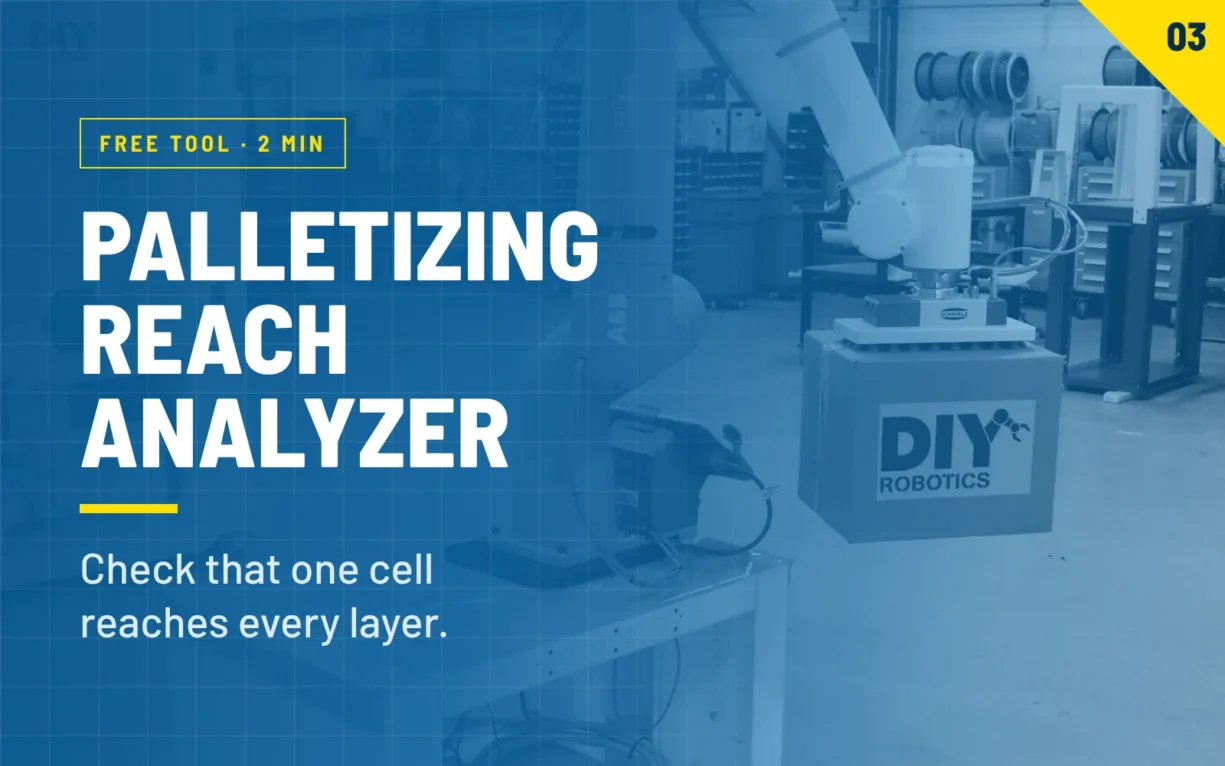
Palletizing reach analyzer

Will one cell reach every corner of your pallet?

Enter pallet, box and gripper sizes. See which robot and cell reach every layer.

How it works

From first call to first part, in three steps

It starts with a conversation with someone who listens to your job before talking about robots.
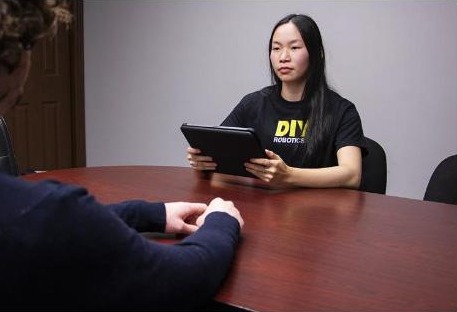
DIY Robotics team member meeting a customer to discuss their job
1

Let’s understand your project.

A quick conversation to understand your application, challenges and goals. We’ll help determine if our modular cells are the right fit.

2

We find the right solution.

We evaluate your technical requirements and recommend a cell configuration that fits your project, with a clear quote.

3

Built to simplify integration.

Your cell is prepared and tested according to its configuration, helping reduce integration work and accelerate deployment.

Customer proof

Manufacturers who started here

Case study

“The project commissioning with DIY Robotics’ robotic cells was completed in just one week!”

Luc Lizotte, Corporate Director of Engineering, Fruit d’Or

Fruit d’Or · Food packaging

A new packaging line, running in 1 week

Two DIY High-Speed Packaging Cells with FANUC SCARA robots, integrated by partner Matxek, to launch a new product on a tight deadline.

1 week

commissioning

25–30%

equipment savings

35–40%

faster delivery

100/min

line capacity

“It was our first robot. The cell showed up wired and ready, and our own team had it running parts in a couple of days.”

Jordan Ellis, Operations Manager

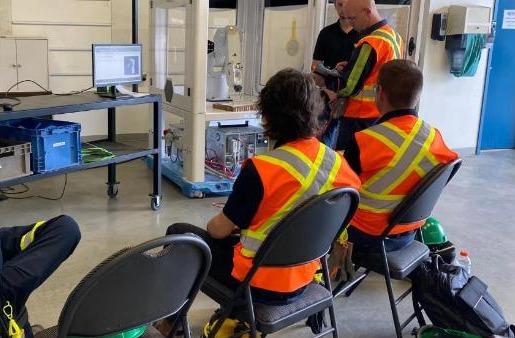
Customer team in safety vests being trained on their DIY Robotics cell
Support

Your first project, with backup

Buying a cell doesn’t mean figuring it out alone. If your first project ever hits a snag, we’ve got you.

  • Training on your cell, so your team can run, restart and adjust it.
  • DIY++ services, your safety net: engineering and programming support you can call on if your team or your integrator needs help getting the cell running.
  • Free tools, a user forum and open-source resources on the DIY Robotics website.
  • Programming templates and documentation, available from day one.

The goal is simple: a team that runs its own cell with confidence, for the years it will be on your floor.

Not ready for a call yet

Not ready to talk yet? Start here.
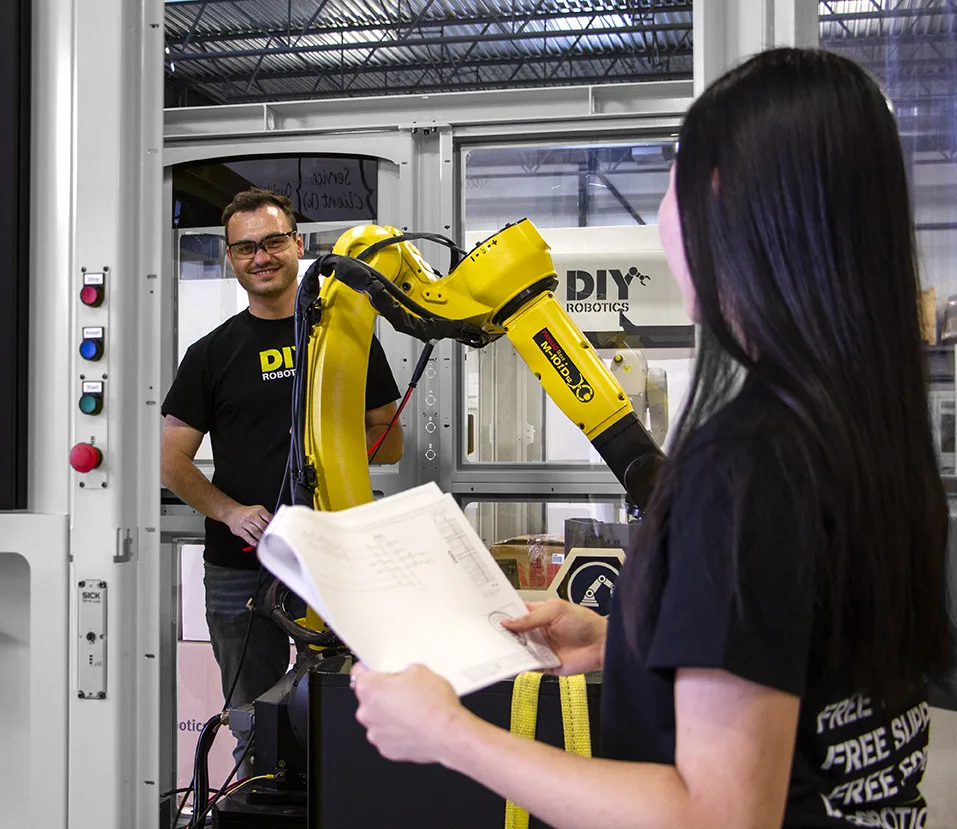
Two colleagues reviewing a plan next to a yellow robot arm in a DIY Robotics cell
DIY Robotics blog

Implementing your first robot in manufacturing

What to plan, what to ask and what to watch for before you request quotes.

High-Speed Packaging Cell, a white DIY cell with a SCARA robot
Specification sheet

High-Speed Packaging Cell

Comet 44 with a FANUC SR-6iA SCARA robot. Up to 60 pieces per minute per cell, installed and programmed in 1 day per cell. Easy to share with your manager or finance team.

FAQ

Questions first-time buyers ask us

Not necessarily. The Classic comes with its safety system and base programming already configured, allowing operators to manage basic cell functions using just four buttons.

DIY Robotics provides training to help your team operate the cell, along with optional support from DIY++ Services when additional expertise is needed.

Depending on the complexity of your application and your team’s technical background, additional programming expertise may be required to successfully complete your first robotic project.

A Classic ships in 3 to 4 weeks, depending on robot availability. Because it’s built and tested before it ships, installation on your floor takes about 5 days.

Timing varies with the complexity and scale of the application. A simple pick and place can be running in a few days; a multi-robot cell takes longer.

It depends on your job, your payload and the brand your team or maintenance partner already knows. Run the payload analyzer, then we’ll confirm the match on a call.
A Basic is the cell without a robot, for teams that integrate their own. A Classic ships with the robot, the pre-wired panel and the safety programming installed: about 80 hours of setup you don’t have to do, and up to 200 hours compared with building a cell from scratch.
Yes. Every cell sits on its own base and moves with a forklift, so a layout change doesn’t become a new project.
Add accessories as you go: crossbeams, an XYZ mounting kit, dual doors, a draining pan and more. For tooling specific to your job, DIY Advanced adds application packages on top of the Classic.
The electrical cabinet is cULus certified and meets CSA requirements. Safety interlocks, alarms and lights are programmed before delivery.

Every cell meets safety requirements when it is delivered. Changes made afterwards, such as adding a knife or other tooling at the end of the arm, can change the safety classification (for example, the application may no longer be collaborative). Your team remains responsible for reassessing safety after any modification.

Food, pharma, plastics, aerospace and general manufacturing, including medical parts production. Cells are not designed for sterile clinical environments.

For food applications with strict hygiene standards: the cell has areas that are hard to clean thoroughly, so it may not meet every hygienic requirement. Talk to us about your standards before you choose.

Yes, when the food is already packaged. Cells like the PickPack pick, pack and palletize wrapped, bagged or boxed products. They are not designed to handle raw, unpackaged produce.

For food applications with strict hygiene standards, talk to us about your requirements before you choose a cell.

It depends on the robot, the cell size and the accessories. Use the ROI calculator to see what payback looks like for your plant, then book a call for a quote matched to your job.

Let us help you make the right choice

Tell us the job you want to automate. We’ll help you pick the right cell, the right robot and the right accessories, so your first project is one you’re glad you started.

No commitment. A 20-minute conversation with the people who build these cells.

Estelle Huguet, Sales & Marketing at DIY Robotics

You’ll talk to Estelle Huguet

Sales & Marketing, DIY Robotics