Multitasking Robots: Unlocking Efficiency and Adaptability in Industrial Automation
In the ever-evolving landscape of industrial automation, multitasking robots have emerged as a game-changer. Gone are the days when robots were confined to performing a single task, requiring time-consuming reprogramming and specialized technical skills. With advancements in technology and the rise of Industry 4.0, robots have become smarter, more adaptable, and capable of multitasking efficiently. In this article, we will delve into the world of multitasking robots, exploring their benefits, applications, and the future they hold in the realm of industrial automation.
Implementing multitasking robots doesn’t have to be a complex and expensive endeavor. Thanks to DIY Robotics solutions, businesses have access to affordable and user-friendly tools that simplify the integration of multitasking capabilities into their manufacturing processes. If you’re lacking sufficient internal resources to kickstart your automation process, explore our DIY++ services tailored to your requirements.
The Evolution of Robots: From Single-Tasking to Multitasking
Traditionally, robots were designed and programmed to perform one specific task. If a business needed a robot to perform a different task, it would require taking the robot offline, physically interfacing with it, uploading new programming, and rebooting it. This process was not only time-consuming but also costly, involving labor and technical expertise that might not be readily available on the factory floor. Multiply these challenges by the number of robots in a manufacturing facility, and the potential costs become staggering.
However, we now find ourselves in the era of the Fourth Industrial Revolution, or Industry 4.0, which is characterized by smart, adaptable technology. Automation is becoming increasingly automated, with machines communicating with each other and even sending data to remote locations. This connectivity and adaptability have revolutionized the capabilities of industrial robots, enabling them to perform multiple tasks seamlessly.
The Myth of Multitasking and the Reality of Efficiency
Before we delve into the benefits and applications of multitasking robots, it’s essential to address the myth of multitasking itself. Research in neuroscience has shown that attempting to perform multiple tasks simultaneously leads to reduced productivity and lower work quality. The human brain is wired to switch tasks, and each switch incurs a cost in terms of time and increased stress levels. Therefore, true multitasking is a myth when it comes to human capabilities.
 However, robots are not bound by the limitations of the human brain. They can efficiently switch between tasks without experiencing the same cognitive load. This makes them ideal candidates for multitasking in industrial environments. By leveraging the capabilities of multitasking robots, businesses can optimize their operations, increase productivity, and streamline their workflow.
Application of Multitasking Robots in Manufacturing
The versatility of multitasking robots opens up a world of possibilities in various manufacturing sectors. Here are some key applications where multitasking robots excel:
1. High-Mix, Low-Volume Manufacturing
In industries characterized by high-mix, low-volume production, where frequent product changes are the norm, multitasking robots shine. These robots can seamlessly transition from one task to another, allowing manufacturers to adapt to changing production requirements quickly. Whether it’s assembling different products, packaging items, or performing quality checks, multitasking robots excel in delivering efficiency and adaptability.
2. Repetitive and Mundane Tasks
Repetitive and mundane tasks are not only monotonous for human workers but also prone to errors and inefficiencies. Multitasking robots can take over these tasks, ensuring consistent and accurate execution. Tasks such as packing, polishing, pick and place operations, and machine tending are perfect candidates for automation with multitasking robots. By relieving human workers of these repetitive tasks, businesses can improve employee satisfaction and allocate their workforce to more value-added activities.
3. Adaptability to Changing Workloads
Multitasking robots offer the flexibility to adapt to changing workloads without the need for extensive reprogramming or reconfiguration. As production demands fluctuate, businesses can assign different tasks to their robots, optimizing their resource utilization. Whether it’s scaling up production during peak periods or reallocating robots to new tasks, multitasking robots provide the agility required to meet evolving market demands.
Unlocking Efficiency with Offline Robot Programming
To enable multitasking capabilities in robots, businesses can leverage offline robot programming. This approach offers an efficient and cost-effective solution, eliminating the need for extensive hardware upgrades or physical reprogramming of robots. Offline robot programming involves outfitting existing robots with low-cost software components that enable remote reprogramming. Once installed, robots can be reprogrammed remotely to execute new movements and tasks according to the manufacturer’s specifications.
Robot controllers, which run the programs that govern robot movements, often contain multiple programs that can be uploaded remotely. These programs consist of a series of commands that can be created using code editors, recordings of the robot’s actions, or advanced 3D simulators. Offline programs, created using simulators, can be directly copied to the physical robots and executed. This allows for seamless transitions between different tasks and maximizes the efficiency of multitasking robots.
The Unexpected Advantages of Multitasking Robots
Beyond the core benefits of efficiency and adaptability, multitasking robots offer additional advantages that can revolutionize manufacturing operations. Let’s explore some of these unexpected advantages:
1. Enhanced Real-Time Insights
The same channels used for remote operation and reprogramming of robots can also be leveraged to gather valuable data from robots. This data provides manufacturers with real-time insights into job statuses, aggregated production data, maintenance requirements, updates, and potential issues. By having access to this information, businesses can make informed decisions, optimize their processes, and proactively address any bottlenecks or maintenance needs.
2. Greater Return on Investment (ROI)
Investing in robots can be a significant financial decision for businesses. However, the versatility of multitasking robots offers a greater return on investment. Instead of purchasing multiple robots for different tasks, businesses can allocate multiple tasks to a single robot, reducing upfront costs and optimizing floor space. This is particularly beneficial for businesses that manufacture multiple products or experience fluctuating demand. By reprogramming existing hardware, businesses can pivot to different tasks or products with minimal expense, ensuring maximum utilization of their robotic assets.

3. Streamlined Workforce Management
Multitasking robots can also streamline workforce management, reducing the need for extensive robot operations personnel. By automating repetitive and mundane tasks, businesses can free up human workers for more complex and value-added activities. This not only improves employee job satisfaction but also optimizes labor resources, ensuring the right balance between human and robotic capabilities in the production process.
Embracing the Future of Multitasking Robots
The rise of multitasking robots represents a significant advancement in industrial automation. These robots offer the potential to revolutionize manufacturing operations, delivering efficiency, adaptability, and cost-effectiveness. As technology continues to evolve, we can expect to see further advancements in the capabilities of multitasking robots, enabling even greater productivity and flexibility in the manufacturing sector.
To harness the full potential of multitasking robots, businesses must embrace innovation and explore the possibilities offered by Industry 4.0. By leveraging offline robot programming, real-time data insights, and the agility of multitasking robots, manufacturers can stay ahead of the competition, optimize their operations, and navigate the ever-changing demands of the global market.
As we look to the future, it is clear that multitasking robots will continue to play a pivotal role in the evolution of industrial automation. By unlocking efficiency, adaptability, and agility, these robots empower businesses to thrive in an increasingly competitive landscape. Embrace the power of multitasking robots and unlock the full potential of your manufacturing operations.
Ready to supercharge your business through automation? Whether you’re diving into an automation project, eager to explore how it can fuel your firm’s growth, or seeking expert guidance on your automation journey, we’re here to help. Don’t miss out—book your consultation today!

 Fact: While it is true that autonomous robots have historically faced challenges in terms of speed and precision, advancements in technology are rapidly addressing these limitations. Traditional search-based algorithms used for navigation have often been deemed too slow. However, ongoing research in pattern recognition and the integration of cloud-based computing have significantly improved the speed and efficiency of robots. With the implementation of machine vision systems and real-time data processing, robots can perform complex tasks more swiftly and accurately. Furthermore, ongoing advancements in algorithmic improvements and the simplification of machine vision tasks will continue to enhance the speed and performance of autonomous robots.


 Involve your employees in the automation project from the beginning. Communicate the benefits of automation and address any concerns or fears they may have. Provide training and support to ensure a smooth transition to automated processes. Emphasize that automation will complement their skills and create new opportunities for growth and development.
 One of the main challenges is managing the transition of your workforce to automated processes. Provide comprehensive training and re-skilling programs to help employees adapt to new roles and responsibilities. Emphasize the benefits of automation and the new opportunities it can create for personal and professional growth.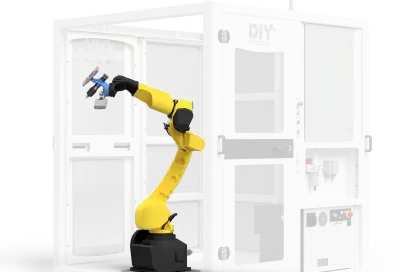
 In addition to safety considerations, the payload setting also affects the robot’s acceleration. The robot needs to be aware of the payload it is carrying to ensure proper acceleration without overloading the motors or causing undercurrent issues. If the robot is programmed with a higher acceleration setting while carrying a heavy payload, it may trigger overcurrent warnings or emergency stops. Conversely, if the robot thinks it has a certain payload but is actually carrying a lighter load, it may accelerate too quickly, leading to collisions or misalignments. Therefore, accurately setting the payload is crucial for maintaining smooth and controlled acceleration.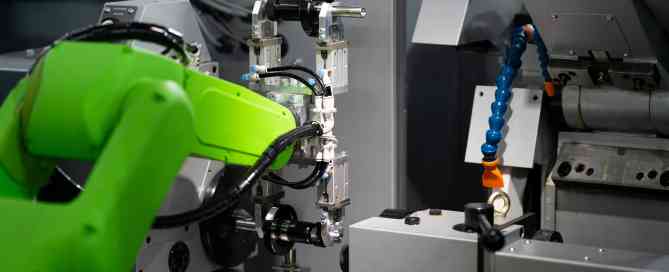


 The use of robots in manufacturing has revolutionized the industry, providing a multitude of benefits that were previously unattainable. The speed and accuracy with which robots perform tasks have resulted in a significant increase in productivity and efficiency. Robots can operate 24/7, which reduces downtime and boosts output levels. The consistency in production increases the quality of products, as robots can be combined with different technology to detect defects and make adjustments that will result in fewer errors and less waste. Furthermore, robots have greatly improved workplace safety by performing dangerous tasks that would have otherwise been performed by humans. These advantages make robots an essential component of modern manufacturing.
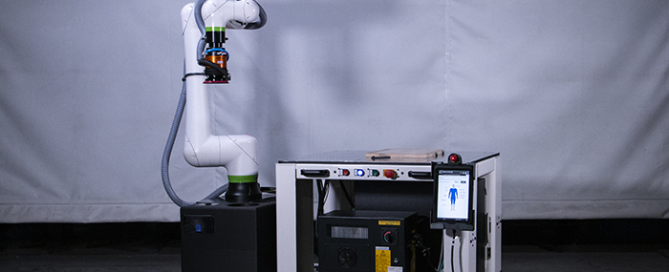
 Manufacturers can reap several benefits from utilizing grinding automation systems. One of the most significant advantages is increased efficiency. By working non-stop, without the need for breaks or rest periods, automated grinding systems enable manufacturers to boost productivity and produce more products in a shorter time frame reducing the overall cost of production.
 Automated sanding and polishing systems are designed to sand and polish workpieces using a lighter abrasive media than grinding tools. One of the primary advantages of these systems is their consistency. They can produce a consistent finish on each workpiece, ensuring that the final product meets the desired specifications. Several finishing tool manufacturers offer excellent products on the market. At DIY Robotics, we have equipped our sanding cell with an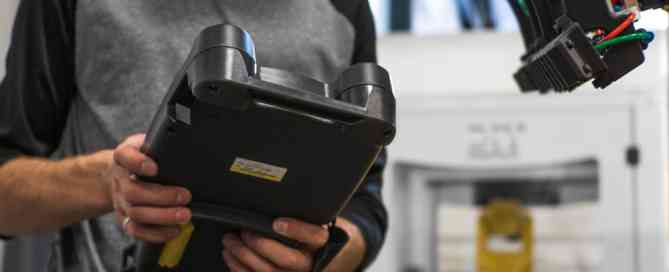
 The benefits of this type of automation include increased efficiency, improved accuracy, reduced overall costs, decreased human error, and improved safety. Robots can work non-stop, leading to increased productivity and streamlined processes, waste reduction, and improved quality control. For instance, robots can perform machine tending, material removal, and assembly in the manufacturing industry, tasks that would otherwise require a lot of resources and time.
 When implementing robotic automation, there are several best practices to follow. First, it is important to identify the tasks that are best suited for automation. Tasks that are repetitive, dangerous, or require a high degree of accuracy are good candidates for automation.
 Another challenge is the need for ongoing maintenance and support. Robotic automation systems require maintenance and support to ensure that they are operating at peak efficiency. The good news is that there is plenty of help and support existing on the web. For example, there is numerous forum such as the

 There are several types of industrial robots, each designed to perform different tasks. Some of the most common types of industrial robots include: