WHY IMPROVE YOUR PRODUCTION LINE WITH MACHINE-TENDING ROBOTS?
Machine tending is an essential part of the manufacturing process. It involves loading and unloading materials, parts, or products into machines such as CNC machines, lathes, and injection molding machines. This process can be time-consuming, repetitive, and potentially dangerous, which is why many manufacturers are turning to machine-tending robots to automate this task. In this blog post, we will discuss the relevance of using a machine-tending robot in the manufacturing industry.
1. Increased Productivity
 Machine tending robots can operate 24/7, allowing manufacturers to increase their productivity by reducing downtime and increasing throughput. These robots are designed to work at a consistent pace, which means that they can complete tasks at a faster rate than human workers. This results in a significant increase in production output, which can help manufacturers meet their production targets.
2. Improved Quality Control
Robots are designed to perform tasks with a high level of accuracy and precision. This means that they can reduce the risk of errors that can occur when humans are performing repetitive tasks. Consistent loading and unloading of materials, parts, or products into machines can also reduce the risk of defects and errors in the manufacturing process, resulting in improved quality control.
3. Enhanced Safety
These robots can help improve safety in the manufacturing industry by reducing the risk of accidents and injuries. They are designed to perform tasks that can be dangerous for human workers, such as loading and unloading heavy materials or working in hazardous environments. By automating these tasks, manufacturers can reduce the risk of worker injuries and illnesses, resulting in a safer work environment.

4. Reduced Labor Costs
Machine tending robots can also help reduce labor costs by eliminating the need for human workers to perform repetitive tasks. This allows manufacturers to allocate their human resources to more complex tasks that require human intervention. This can result in significant cost savings for manufacturers, especially in industries where labor costs are high.
5. Scalability
 This technology can be easily scaled up or down depending on production needs. It means that manufacturers can adjust their production capacities to meet changing market demands. This flexibility allows manufacturers to remain competitive in their respective industries by ensuring that they can meet customer demands quickly and efficiently.
6. Data Collection
Usually, robots can be equipped with sensors and cameras that allow them to collect data on the manufacturing process. This data can be used to optimize production, reduce waste, and improve quality control. Manufacturers can use this data to identify trends and patterns in the manufacturing process, allowing them to make data-driven decisions that can help improve their production processes.
Conclusion
In the end, machine-tending robots are becoming an increasingly relevant tool in the manufacturing industry. They offer a range of benefits, including increased productivity, improved quality control, enhanced safety, reduced labor costs, scalability, and data collection. By automating the machine tending process, manufacturers can improve their production processes, increase efficiency, and remain competitive in their respective industries.
At DIY Robotics, we offer great options to assist you in introducing machine-tending robots to your production line. If you would like to learn more about our products, you can visit: https://diy-robotics.com/products/
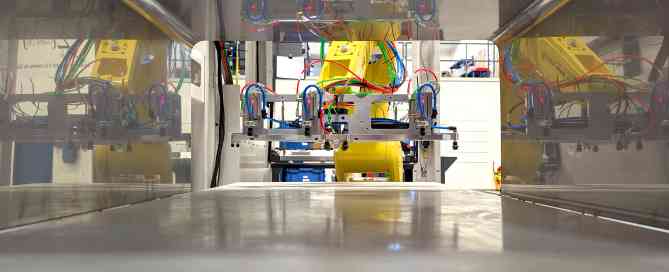

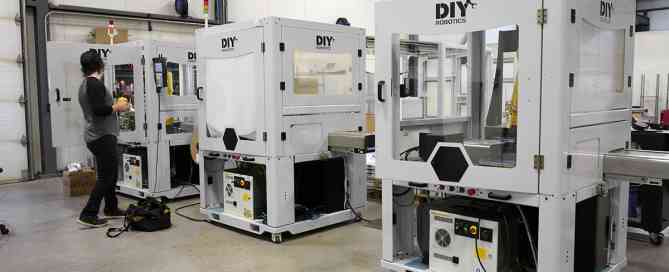
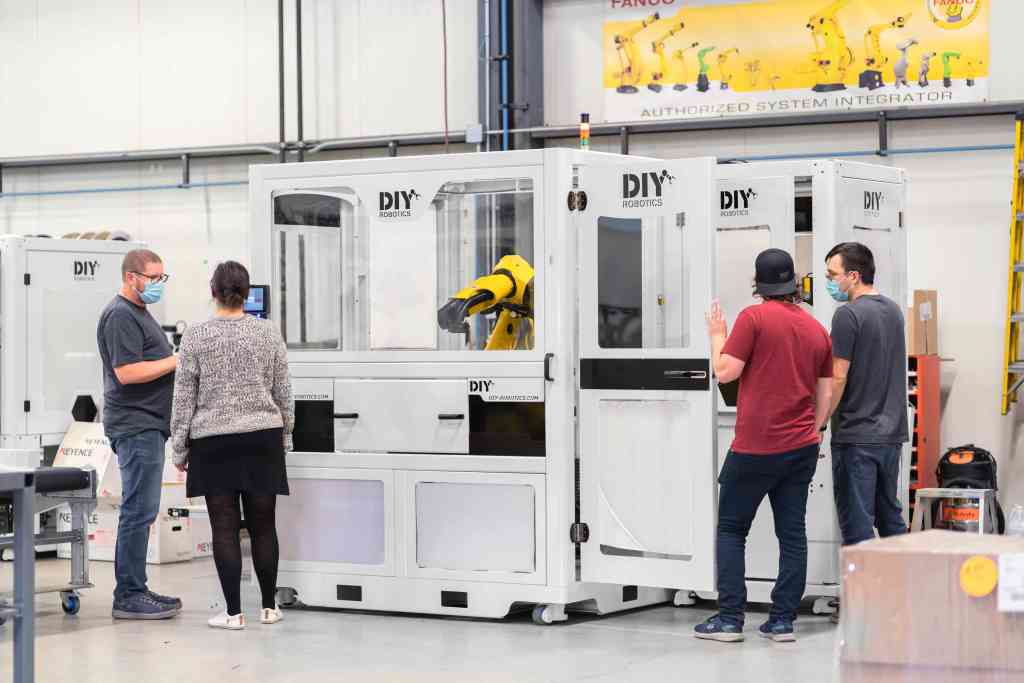 Turnkey robotic solutions are pre-engineered robotic systems that are designed to be plug-and-play with minimal installation and setup required. These systems are typically designed for specific applications, such as welding, material handling, or packaging. They come with all the necessary hardware, software, and controls to automate a specific task or process.
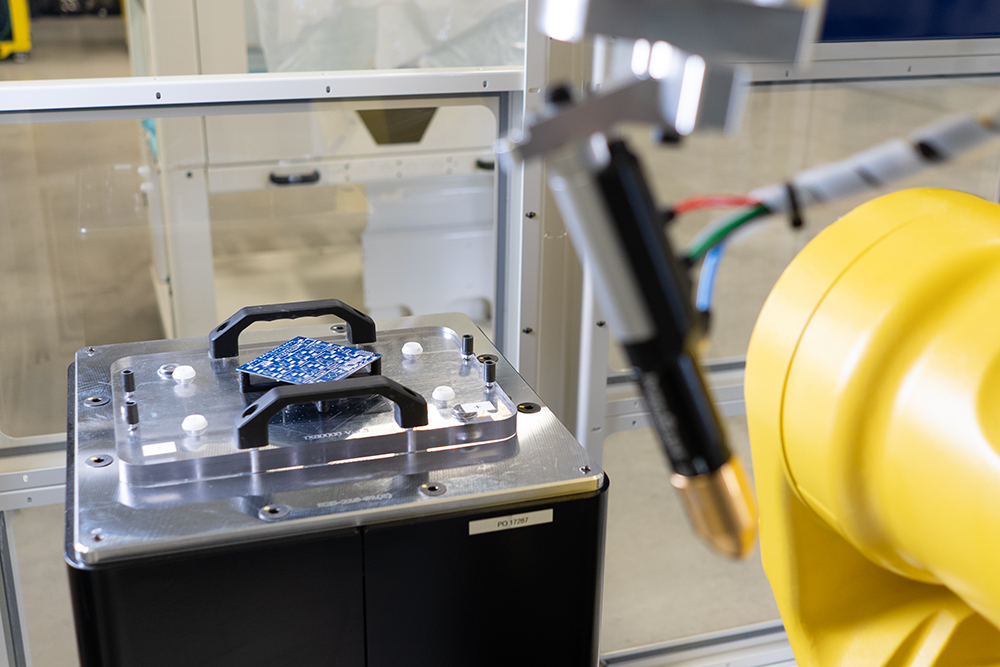 Turnkey robotic solutions can also help to improve the quality and consistency of their products. Robotic systems can perform tasks with a high degree of accuracy and repeatability, which reduces the risk of human error and inconsistency.

 Finally, these cells can improve the quality and consistency of finished products. By automating manufacturing processes, businesses can reduce the risk of human error and ensure that products are produced to a consistent standard. This can lead to higher customer satisfaction and fewer product returns or recalls.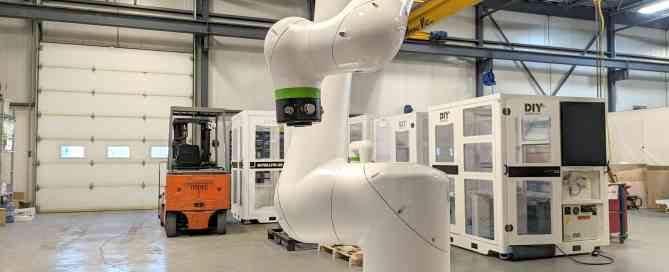
 Cobots are designed to be installed quickly. They usually come pre-assembled in a box or crate and only require a few anchoring bolts and power connections before the cobot can start functioning. With the right training, these types of robots can be installed and programmed internally. Some companies, including DIY Robotics, even offer user-friendly software and HMIs to help guide the acquiring company to an easier solution.
 At DIY Robotics, we pride ourselves on our fully mobile and modular robotic cells. Each of our models support different kinds and sizes of robots to satisfy any requirement by your production environment. Each of these cells are equipped with wheels to achieve a mobile product capable of performing day to day robotic tasks, as well as providing all the benefits stated above.
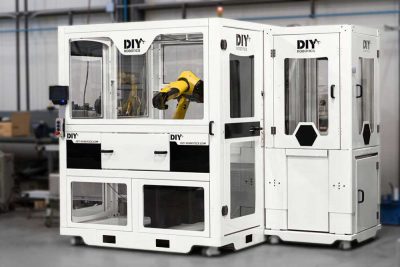 At DIY Robotics, we take pride in our well-structured robotic cells. Each cell has been carefully constructed with welded and folded sheet metal to provide a strong frame without the use of aluminium or extruded metals. These cells have full capability of housing an industrial-sized robot and make no compromises to the robot’s acceleration and speed due to the strong and reliable materials the cell is composed of. Despite the strength provided, each cell is still light enough to be mobile around workstations. In other words, our cells are perfectly balanced between lightweight and heavyweight to handle all manufacturing processes while still being moveable. The cell’s metal components are also rust and scratch protected due to the long-lasting powder coating. Depending on the model of the cell chosen, transparent polycarbonate panels may also be equipped to provide a shatter-proof and scratch-resistant barrier from its workspace (a huge advantage over glass or polymer). If you would like more information regarding our robotic cells or would like to browse all available options, please feel free to visit our product page:

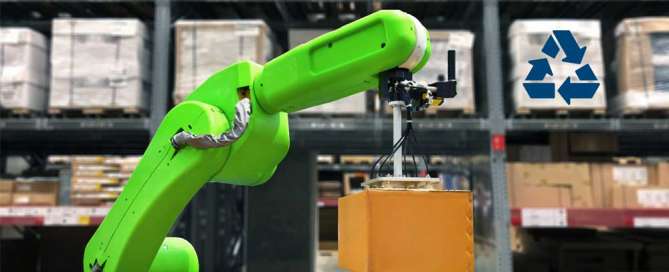
 Often, the type and style of an industrial robot are crucial in order to achieve a production requirement. This could involve a custom application, or other machines being dependent. A manufacturer who has already integrated robotic equipment into their production floor may need a replacement of the same model. Depending on how old the equipment is, it may have become obsolete and new robots are not available. A newer robot also may not be compatible with older programs or power sources; therefore, a company would have to invest more money having to upgrade their robotic system to accommodate for one machine. In these cases, the second-hand market would be the only option.
 When acquiring a second-hand robot, it is crucial to ensure that it is in working condition. Be sure to be aware of the total working hours as well as reliability with its previous owner. As stated above, be sure the previous owners are of a respectable company who conducted maintenance regularly and ensured the robot operated within its specifications. Another option is to perform diagnostics to check if the robot is in an ideal working condition (ex. FANUC Pro Diagnostic). Doing so will ensure the robot does not perform poorly or have any mechanical errors like backlash, vibration, motor failure, etc.