window.dataLayer = window.dataLayer || []; function gtag(){dataLayer.push(arguments);} gtag('js', new Date());gtag('config', 'UA-141884085-1'); gtag('config', 'AW-761820283');

Benefits of Predictive Maintenance in Robotic Factories

In the industrial realm, where efficiency, productivity, and cost-effectiveness are the keys to success, predictive maintenance in robotic is emerging as a transformative strategy. As more manufacturing companies are incorporating robotics into their operations, the need for effective and efficient maintenance has never been greater. Predictive maintenance, a proactive approach that anticipates machinery failure before it occurs, is gaining traction in robotic factories around the world. It leverages artificial intelligence, machine learning, and big data to predict the when and where of potential equipment failures.

The adoption of predictive maintenance in robotic factories is a significant step towards Industry 4.0, the next phase in the digitization of the manufacturing sector. It represents a shift from the traditional reactive maintenance approach that typically involves repairing machinery after a breakdown. This revolutionary maintenance strategy promises numerous benefits, including reduced downtime, increased productivity, and significant cost savings.

Predictive maintenance is a smart, proactive solution that ensures the smooth functioning of robotic factories. It not only helps in preventing unexpected equipment failures but also in optimizing the overall operational efficiency. As we delve deeper into this topic, we’ll explore the concept of predictive maintenance in more detail and discuss its numerous benefits.

Understanding the concept of predictive maintenance

Predictive maintenance is a method that uses data-driven, proactive maintenance strategies to predict machine failure. It collects data from various machinery sensors and uses advanced analytics to identify patterns and predict potential failures before they occur. This approach allows factory operators to schedule maintenance tasks optimally, avoid sudden equipment breakdowns, and ensure uninterrupted production.

The predictive maintenance process involves the continuous monitoring of equipment condition through sensors. These sensors collect a variety of data, including temperature, vibration levels, and other relevant indicators. Advanced analytics and machine learning algorithms then analyze this data to predict equipment failures.

Predictive maintenance is not just about preventing machine failure; it’s also about optimizing maintenance tasks. By accurately predicting when maintenance is needed, it allows companies to use their resources more efficiently, reducing both downtime and costs. With this understanding in mind, let’s delve into the top benefits of predictive maintenance in robotic factories.

Top benefits of predictive maintenance in robotic factories

The adoption of predictive maintenance in robotic factories brings a plethora of benefits. Firstly, it significantly reduces downtime by predicting machinery failure before it occurs. This proactive approach allows factories to schedule maintenance activities during non-productive hours, thereby minimizing disruption to production schedules.

Secondly, predictive maintenance helps in extending the lifespan of machinery. By identifying potential issues early, it allows for timely intervention, preventing minor issues from escalating into major problems that could cause irreversible damage to the equipment. This not only prolongs the machinery’s useful life but also reduces the need for costly replacement.

Additionally, predictive maintenance enables more efficient use of resources. By accurately predicting when maintenance is required, it allows for better planning and allocation of resources. This not only saves time and money but also enhances productivity and operational efficiency. Given these benefits, it’s clear that predictive maintenance is a game-changer for robotic factories.

Predictive maintenance vs. reactive maintenance: a comparative analysis

Predictive maintenance represents a significant shift from the traditional reactive maintenance approach. While reactive maintenance focuses on repairing machinery after a breakdown, predictive maintenance anticipates failures before they occur. This proactive approach results in reduced downtime, increased productivity, and significant cost savings.

Reactive maintenance can be costly and disruptive, as unexpected machine failures often result in production delays and loss of revenue. On the other hand, predictive maintenance allows for planned, scheduled repairs, thereby minimizing disruption and ensuring smooth, uninterrupted operations.

Moreover, predictive maintenance helps in extending the lifespan of machinery, while reactive maintenance often leads to a shorter equipment life due to the stress of unexpected breakdowns. It’s clear that predictive maintenance offers a more efficient, cost-effective, and reliable solution compared to reactive maintenance.

Key elements of implementing predictive maintenance in robotic factories

Implementing predictive maintenance in robotic factories requires careful planning and strategizing. Key elements include the installation of sensors on machinery to collect data, integration of this data into a centralized system for analysis, and application of advanced analytics and machine learning algorithms to predict equipment failures.

Effective communication is vital to ensure that all stakeholders understand the goals and benefits of predictive maintenance. Training is also essential to equip staff with the skills needed to implement and manage predictive maintenance strategies effectively.

Furthermore, it’s important to start small and scale up. Implementing predictive maintenance on a few machines initially allows for learning and adjustments before rolling it out on a larger scale.

Challenges in adopting predictive maintenance in manufacturing

Despite its numerous benefits, adopting predictive maintenance in manufacturing is not without challenges. These include the high cost of sensor technology, the need for skilled personnel to analyze and interpret data, and resistance to change within the organization.

Moreover, implementing predictive maintenance requires a significant investment in time and resources, which can be a deterrent for some companies. Additionally, the accuracy of predictive maintenance depends on the quality of data collected, and poor-quality data can lead to inaccurate predictions.

Despite these challenges, the benefits of predictive maintenance far outweigh the costs, making it a worthwhile investment for robotic factories.

Overcoming challenges: strategies for successful implementation

Overcoming the challenges associated with predictive maintenance requires strategic planning and execution. Firstly, it’s important to secure top management support, as this can help overcome resistance to change within the organization.

Secondly, investing in training can equip staff with the skills needed to effectively implement and manage predictive maintenance strategies. This includes understanding the technology, analyzing and interpreting data, and making informed decisions based on the insights gained.

Moreover, starting small and scaling up can help mitigate the risk associated with a large-scale implementation. This approach allows for learning and adjustments, thereby increasing the chances of successful implementation.

Emerging Trends in Robotic Manufacturing Maintenance

The future of predictive maintenance in robotic manufacturing looks promising. With advancements in technology, the accuracy and effectiveness of predictive maintenance are set to improve significantly, further enhancing its benefits.

Artificial intelligence and machine learning will play a crucial role in this evolution, enabling more accurate predictions and smarter maintenance strategies. Moreover, as more companies realize the benefits of predictive maintenance, its adoption is expected to increase, making it a standard practice in the industry.

In conclusion, predictive maintenance is revolutionizing the manufacturing industry. Its ability to anticipate machinery failure before it occurs, coupled with its numerous benefits, makes it a game-changer for robotic factories.

Adopting predictive maintenance may involve some challenges, but with strategic planning and execution, these can be overcome. The future of predictive maintenance looks promising, with advancements in technology set to enhance its effectiveness and adoption.

If you’re keen on unlocking the full potential of your robotic factory, now is the time to consider predictive maintenance. Embrace this transformative strategy and reap the benefits of increased productivity, reduced downtime, and significant cost savings.

Robot safety: ensuring workplace protection and efficiency

In the context of rapidly evolving industries, robotics plays a crucial role in enhancing productivity and workplace safety. As the use of industrial robots continues to grow, it is essential to prioritize robot safety to prevent accidents and injuries. While collaborative robots, also known as cobots, provide unique opportunities for human-robot interaction, they also bring new challenges in terms of safety. This article delves into the key aspects of robot safety, providing valuable insights and guidelines to ensure the well-being of workers while maximizing the benefits of automation.

Importance of robot safety

The rapid growth of robotics in various industries, such as manufacturing, warehousing, and petrochemicals, has transformed the way tasks are performed. Industrial robots are capable of handling hazardous, repetitive, and unpleasant tasks, thereby reducing the risk of injuries to human workers. However, it is crucial to address the safety concerns associated with robot-human collaboration to mitigate the potential risks and ensure a safe working environment.

Hazard recognition and assessment

Before implementing robotic systems, it is essential to conduct a comprehensive hazard recognition and assessment process. This involves identifying potential risks and hazards associated with the use of robots in the workplace. Factors such as the type of tasks performed, robot-human interaction, and the working environment should be taken into consideration. By conducting a thorough assessment, it becomes possible to implement appropriate safety measures and safeguards to minimize potential hazards.

Standards and regulations

While there are currently no specific OSHA standards for the robotics industry, it’s essential for organizations to adhere to existing safety standards. Notably, compliance with regulations such as the American National Standards Institute’s Section R15.06-2012 and the International Organization for Standardization’s robot standards, like ISO 10218, is vital. These standards offer comprehensive guidelines for identifying risks, designing safety measures, testing robot safety, and effectively operating robotic systems. Furthermore, it’s important to recognize that these regulations can vary from one country to another. Therefore, organizations should ensure compliance with local and international standards, and consult resources like the Occupational Safety and Health Administration’s technical manual on “Industrial Robot Systems and Industrial Robot System Safety” for in-depth guidance and best practices in robot integration and safety.

Ensuring safe work environments

Creating a safe work environment is paramount when integrating robots into the workplace. Here are some key practices to consider:

  1. Physical barriers and sensors

Implement physical barriers, such as guardrails, chain link fencing, or walls, to restrict access to robot work areas. Additionally, use floor sensors that can slow down or stop the robot when an employee comes too close. Light curtains and electric safety mats can also be utilized to interrupt the robot’s operation if an employee enters a protected area.

  1. Lockout/tagout procedures

Train employees on proper lockout/tagout procedures to ensure that robots are safely shut off during maintenance or repair work. Locking out the robot’s energy source is essential to prevent unexpected movement or startup that can lead to injuries.

  1. Interlinking programming and safety devices

Establish procedures to interlink the robot’s programming with electronic safety devices, such as light curtains, shutoff sensors, or door interlocks. This integration ensures that if a safety device is triggered, the robot’s tasks are halted immediately, preventing potential accidents.

  1. Clear communication of safety rules

Human error is a leading cause of workplace accidents. Regularly communicate and post safety rules in the workplace to remind employees of best practices. This includes keeping the robot work area clear of obstructions, avoiding loose-fitting clothing, tying up long hair, wearing safety glasses, and removing the tech pendant from the robot’s work area.

  1. Training and risk assessments

Provide comprehensive training to employees on the safe operation and maintenance of robots. Ensure that employees are familiar with the manufacturer’s best practices for safety and maintenance protocols. Conduct regular risk assessments to identify potential hazards and implement appropriate control measures.

Mobile robot safety

While the focus has primarily been on fixed robots, ensuring safety for mobile robots is equally important. Mobile robots are employed in various industries, where humans may interact with them. The unique challenges of mobile robots operating in unstructured environments necessitate specific safety measures:

  1. Accurate and reliable sensory systems

Mobile robots must be equipped with accurate, reliable, and redundant sensory systems to perceive their environment. These sensors provide crucial information for navigation, obstacle avoidance, and human detection, ensuring safe interaction with the surroundings.

  1. Reliable software

The software that controls mobile robots should be reliable and robust. It should prioritize safety by incorporating fail-safe mechanisms and error handling strategies. This ensures that the robot can respond appropriately to unexpected situations or sensor inaccuracies.

  1. Operating at low speeds

To reduce the risk of collisions and injuries, mobile robots should operate at low speeds. Slower speeds allow the robot to react and adapt to dynamic changes in the environment, thereby ensuring the safety of both humans and the robot itself.

  1. Braking and emergency stop systems

Mobile robots should be equipped with braking and emergency stop systems to halt their motion when necessary. These systems enable immediate action in the event of an emergency or when external hazards are detected.

Maintenance and modification of robot systems

Proper maintenance and modification of robot systems are essential to ensure their continued safe operation. Consider the following practices:

  1. Well-Defined maintenance procedures

Develop well-documented maintenance procedures to guide technicians in maintaining robot systems. This includes routine inspections, cleaning, lubrication, and calibration of the robot components.

  1. Precautions during maintenance

During maintenance activities, technicians should take precautions to prevent unexpected movements or activations of the robot. This may involve isolating power sources, locking out control panels, and wearing appropriate personal protective equipment.

  1. Training for maintenance personnel

Provide comprehensive training to maintenance personnel on the safe handling and maintenance of robot systems. Ensure that they are aware of potential hazards and equipped with the necessary knowledge and skills to mitigate risks.

Conclusion

Robot safety is a critical aspect of workplace safety in industries utilizing robotics. By implementing proper safety measures, organizations can ensure the well-being of their employees while reaping the benefits of automation. Hazard recognition and assessment, adherence to safety standards, and the implementation of physical barriers, interlinked programming, and training programs are essential for a safe working environment. Furthermore, mobile robot safety and proper maintenance and modification practices contribute to the overall safety and efficiency of robot systems. By prioritizing robot safety, organizations can create a workplace where humans and robots can collaborate effectively and securely.

Remember, ensuring robot safety is an ongoing process that requires continuous evaluation, training, and improvement. By staying informed about the latest safety practices and technological advancements, organizations can stay at the forefront of robot safety and maintain a safe and productive work environment.

If you’re ready to revolutionize your manufacturing processes with robotics, don’t hesitate to get in touch with us today. We’re here to assist manufacturing firms in successfully implementing robots and achieving new levels of efficiency and productivity. Contact us now to start your automation journey!

Implementing your first robot in manufacturing

Manufacturing industries are increasingly turning to industrial robots to optimize production processes, reduce costs, and address labor shortages. The integration of robots into manufacturing facilities has become more flexible and affordable, enabling existing workers to focus on higher-level tasks that enhance productivity. While many small and medium-sized manufacturers (SMMs) are considering implementing industrial robots, the process can seem daunting. However, by following a few key steps and considering expert advice, manufacturers can successfully integrate their first robot and reap the benefits of automation. In this guide, we will explore the automation journey from concept to reality, outlining the best practices for implementing your first robot in the manufacturing industry.

Step 1: Building company-wide support

cobotsBefore embarking on the robot integration journey, it is crucial to gain company-wide support. Engage with senior management, plant managers, engineering teams, maintenance personnel, IT experts, safety managers, shop floor staff, and HR representatives to ensure that everyone understands the potential of robotic automation. Educate stakeholders about the short return on investment (ROI) of robotics, dispel concerns about job replacement, and emphasize the opportunities for employees to focus on quality control and higher-value tasks. By fostering a shared understanding and enthusiasm for robotics, you can lay the foundation for a successful implementation.

Step 2: Defining success criteria

To manage expectations and measure the success of your robot integration project, it is essential to establish clear criteria for success. One of the most important factors to consider is the ROI, with an average payback period of two years. However, success goes beyond financial considerations. Consider the potential for increased production, reduced cost per part, and improved worker safety. Industrial robots can work consistently and quickly, increasing production output and reducing labor costs. They also minimize the risk of personal injury, leading to cost savings associated with worker compensation, insurance, and hiring/training replacements. By defining success criteria, you can evaluate the impact of robot integration and ensure that it aligns with your goals.

Step 3: Assessing your robotic needs

Before diving into the integration process, carefully evaluate your manufacturing processes to determine where robotics can make the most significant impact. Assess the tasks that are repetitive, dangerous, or require high accuracy. Robots excel in these areas, allowing humans to focus on complex tasks that require human senses and judgment. Break down the tasks to be automated and consider the specific operations involved. For example, instead of thinking about a task in a broad sense, such as tightening screws, break it down into individual steps: removing the screw, placing the product on the jig, placing the screw in the designated location, tightening the screw, picking the finished product, and placing it in a box. By understanding the fine details of each task, you can design a robot-conducive environment and optimize the integration process.

Step 4: Creating a robot-conducive environment

To ensure a smooth integration process, it is crucial to create an environment that supports the operation of industrial robots. Consider the space requirements for the robot and any additional equipment or tools needed. Plan for storage space for equipment before and after the automated process to prevent delays. Design a realistic process flow that incorporates the tasks preceding and following the automated process. This macroscopic perspective will help you visualize the smooth flow of workers, robots, parts, products, space, and time throughout the production line. By creating a conducive environment, you can maximize the efficiency and effectiveness of your robot integration.

Step 5: Partnering with experts: robot system integrators

Implementing your first robot can be a complex process, and seeking guidance from experts can greatly facilitate the journey. Robot System Integrators such as DIY Robotics are specialized engineering firms that can assist you in planning, designing, and deploying robotic systems. They act as intermediaries between you and the robot manufacturer, ensuring a seamless installation process. Collaborate with integrators to conduct preliminary meetings, field observations, and requirements analysis. Share your budget, schedule, cycle time requirements, workspace constraints, and other specifications to ensure a comprehensive understanding of your needs. Robotics Integrators will help you select the right robot and design a system that meets your specific requirements.

Use our payload calculator, available here, to accurately determine the robot’s lifting capabilities. The DIY Robotics payload calculator anticipates the moments and inertia that your designed end-of-arm tooling will apply to your robot, ensuring optimal performance. It is an invaluable tool for making informed decisions about your robot’s payload capacity.

Book an appointment with our team to receive personalized support for your robotic integration needs. DIY Robotics is committed to providing expertise and solutions to make your robotic journey a success.

Step 6: Implementing the robot system

Once the details of the system are established, a risk assessment is conducted based on the basic design. This ensures the safety of the robot and its compatibility with your manufacturing processes. Afterward, the manufacturing and programming of the robot system commence. The design drawing of the entire robot system is completed, followed by manufacturing, testing, delivery, and installation. However, the journey does not end there. Even after successful deployment, ongoing support and maintenance are critical. Robot manufacturers and Robot Integrators provide customer support, regular inspections, and assistance in case of failures. Establish a long-term relationship with your partners to ensure the smooth operation of your robot system.

Step 7: Calculating costs and ROI

Before implementing a robot, it is essential to evaluate the potential costs and return on investment. Consider the reduced costs associated with human labor, materials, and rework. Calculate the increased production output and the potential for higher profits. Assess the impact on worker safety and the associated cost savings. Additionally, consider the initial investment required for purchasing the robot, accessories, and related equipment. By carefully analyzing the costs and potential savings, you can determine the viability of implementing a robot and develop a budget that aligns with your financial goals.

Step 8: Gathering information for integration

To ensure a smooth and efficient integration process, gather all necessary information before engaging with a robot system integrator. Collect 3-D part models, 2-D part prints with tolerances and material specifications, and work definitions. Provide machine and fixture descriptions, manuals, models, and drawings. Supplement this technical information with pictures and videos that depict the current manufacturing processes. Non-technical information such as TAKT time, process cycle times, and annual volumes can also streamline the integration process. By providing comprehensive information, you allow the integrator to make accurate recommendations and estimates for your robot system.

Step 9: Empowering your team

As you embark on the robot integration journey, it is crucial to involve your existing experts who are familiar with your current processes. These individuals possess valuable insights and can contribute to the success of the automation project. Engage them directly in the implementation process to leverage their knowledge and address any process inconsistencies or challenges that may arise. By empowering your team and building on their expertise, you can ensure a smooth transition to automated processes and maximize the benefits of robot integration.

Step 10: Identifying a robotics champion

To facilitate a successful implementation and ongoing operation, identify a robotics champion within your organization. This individual should have cross-departmental authority and the ability to facilitate collaboration between engineering and production teams. The robotics champion will work closely with the implementation team, learn the system, and ensure that the integration aligns with your goals. They will be responsible for driving rapid ROI and fostering ongoing success in utilizing the robotic system. By having a dedicated champion, you can streamline communication, address any challenges, and optimize the performance of your robot system.

Step 11: Start simple and evolve

Introducing robots into your manufacturing facility brings significant change. To ensure a smooth transition, start with simple robot implementations and gradually evolve your usage. Consider converting a manual cell to automation, training key personnel, and minimizing the impact on production. By starting small and building on early successes, you can incrementally integrate robots into your processes and improve overall efficiency. Take a measured approach, learn from each implementation, and continuously optimize your use of robots to maximize their impact.

Step 12: Continuous improvement and future projects

Implementing your first robot is just the beginning of your automation journey. As you gain experience and success, embrace a culture of continuous improvement. Regularly evaluate your processes, identify areas for optimization, and explore new opportunities for automation. Maintain a close relationship with your robot system integrator and manufacturer, leveraging their expertise for future projects. By fostering collaboration and staying at the forefront of robotics technology, you can continuously enhance your manufacturing processes and stay competitive in the ever-evolving landscape of the industry.

In conclusion, integrating your first robot into the manufacturing process is an exciting journey. By following the steps outlined in this guide, building company-wide support, defining success criteria, assessing your needs, partnering with experts, calculating costs, gathering information, empowering your team, and embracing continuous improvement, you can successfully implement your first robot and unlock the full potential of automation. Get ready for the future of manufacturing, make things more efficient, and take your business to higher levels with industrial robots.

10 Methods to Enhance Manufacturing Efficiency

Manufacturing efficiency

Efficiency is a crucial aspect of any manufacturing business. By improving efficiency, companies can reduce costs, increase productivity, minimize environmental impact, and enhance customer satisfaction. In this comprehensive guide, we will explore 10 proven strategies to improve manufacturing efficiency. These strategies encompass various areas of the manufacturing process and can be tailored to suit the specific needs of your business.

  1. Conduct a comprehensive analysis

Before implementing any efficiency enhancement strategies, it is essential to conduct a thorough analysis of your manufacturing process. Identify potential bottlenecks and inefficiencies that hinder productivity. By pinpointing these areas, you can develop targeted solutions to address them effectively. This analysis will serve as the foundation for your improvement initiatives.

Identifying bottlenecks

Bottlenecks are points in the manufacturing process where the flow of production is restricted, leading to delays and inefficiencies. To identify bottlenecks, consider the following:

  • Examine the process flow and identify steps with prolonged wait times.
  • Determine areas where work frequently becomes backlogged.
  • Analyze machines or processes operating at maximum capacity, indicating potential bottlenecks.

Once you have identified the bottlenecks, you can develop strategies to mitigate their impact and streamline the production flow.

  1. Optimize material usage

Reducing material waste is a vital aspect of improving manufacturing efficiency. By optimizing material usage, you can minimize costs and reduce environmental impact. Consider the following approaches:

Design for manufacturability

Embrace value engineering and design for manufacturability methodologies to reduce material waste from the start. By designing products with efficient material usage in mind, you can enhance yield and minimize surplus.

Recycling and reusing

Implement recycling programs to repurpose scraps and outdated equipment. Even if you cannot utilize these materials in-house, consider selling them to other businesses that can make use of them. This practice turns waste into profit and contributes to a sustainable manufacturing process.

Efficient shipping

Evaluate your shipping department to identify potential areas for improvement. Streamline packaging processes, optimize padding materials, and explore alternative shipping methods to reduce costs and improve efficiency.

  1. Streamline Workspaces

Creating organized and efficient workspaces is crucial for maximizing productivity. Disorganized work areas can lead to wasted time searching for tools and materials. Consider the following steps to streamline your workspaces:

Organizational systems

Implement clear and structured organizational systems to ensure that tools, parts, and materials are easily accessible and well-organized. Assign specific locations for each item to minimize time wasted searching for resources.

Visual management

Utilize visual cues such as color-coded labels, floor markings, and signage to enhance organization and facilitate quick identification of tools and materials. Visual management systems contribute to a more efficient and error-free workflow.

  1. Standardize processes

Standardizing work processes is essential for improving efficiency and ensuring consistent output. By implementing standardized procedures, you can reduce downtime, enhance quality, and optimize resource utilization. Consider the following steps:

Checklists and Standard Operating Procedures (SOPs)

Create checklists and SOPs for each job and workstation. These documents serve as guides for employees, ensuring that they follow standardized procedures and minimize errors. Regularly review and update these documents to incorporate any process improvements.

Training and cross-training

Invest in comprehensive training programs to ensure that employees are well-versed in the standardized processes. Cross-training employees on multiple tasks enhances flexibility and enables effective troubleshooting and teamwork.

  1. Embrace preventive maintenance

Maintaining equipment in optimal condition is crucial for minimizing downtime and maximizing productivity. Implementing preventive maintenance programs can help identify and address potential issues before they lead to costly breakdowns. Consider the following steps:

Regular inspections

Conduct regular inspections of machinery and equipment to identify signs of wear or potential malfunctions. Address any minor issues promptly to prevent them from escalating into major problems.

Scheduled maintenance

Develop a proactive maintenance schedule based on manufacturers’ recommendations and the known wear patterns of your equipment. By adhering to this schedule, you can prevent unexpected breakdowns and maintain consistent production levels.

  1. Leverage automation

Automation technologies play a significant role in improving manufacturing efficiency. By automating repetitive tasks, you can free up employees’ time for more complex and value-added activities. Consider the following automation strategies:

Robotic Process Automation (RPA)

Implement RPA software to automate manual tasks such as order processing, inventory tracking, and data entry. By reducing human error and increasing process speed, RPA enhances overall efficiency.

Automation in manufacturing with Computer Numerical Control (CNC) and robotic arms

Explore the implementation of CNC technology to automate the production of repetitive parts. CNC machines can follow pre-programmed instructions, enabling precise and efficient manufacturing. Consider the adoption of robotic arms, such as SCARA and Delta robots, to streamline the production of repetitive components. These robotic systems are renowned for their precision, speed, and capacity to improve manufacturing operations by executing high-speed and precision tasks, including picking, placing, and assembly.

Industrial robotics integration in manufacturing

Incorporating industrial robots into manufacturing not only streamlines tasks but also enhances production processes by guaranteeing precision, consistency, and operational efficiency. These robots are versatile, capable of performing a variety of functions such as welding, shipping, assembly, and product inspection. Their exceptional speed and accuracy optimize production lines and minimize errors. It’s crucial to understand that the benefits of robotics aren’t limited to just large enterprises. At DIY Robotics, our mission is to make robotics accessible to a wider audience. We provide resources, tools, and tutorials with the goal of democratizing robotics, catering to enthusiasts, startups, and small businesses alike. This approach ensures that even smaller organizations can harness the capabilities of robotics to improve their operations and remain competitive in the marketplace. For more details about our offerings, visit our products page, where you can find information on our Classic industrial robot cell.

The growth of the global industrial robotics market

Furthermore, the global industrial robotics market is witnessing dynamic expansion, marked by increased robot sales and the anticipation of further advancements in automation technologies. Consequently, the adoption of these technologies is crucial for manufacturing industries to maintain competitiveness and innovation in the evolving industrial landscape.

  1. Upgrade equipment

Outdated or inefficient equipment can hinder productivity and increase costs. Investing in modern machinery can significantly enhance manufacturing efficiency. Consider the following steps:

Assess equipment performance

Evaluate the performance of your current equipment and identify any areas where upgrades or replacements are necessary. Consider factors such as production capacity, maintenance requirements, and energy efficiency.

Cost-benefit analysis

Conduct a cost-benefit analysis to determine the potential return on investment for equipment upgrades. Consider factors such as increased productivity, reduced maintenance costs, and improved product quality.

  1. Foster employee engagement

Engaged and empowered employees are more likely to contribute to improving manufacturing efficiency. Encourage open communication and provide opportunities for employees to share their ideas and suggestions. Consider the following steps:

Employee feedback

Regularly seek feedback from employees regarding potential areas for improvement. They are often the ones closest to the processes and may have valuable insights. Encourage a culture of continuous improvement and recognize and reward employees for their contributions.

Training and education

Invest in training programs to enhance employees’ skills and knowledge. Ensure that employees are well-equipped to handle new technologies and processes. Ongoing training helps employees stay engaged and adaptable in a rapidly evolving manufacturing landscape.

  1. Continuous improvement

Efficiency improvement is an ongoing process that requires a commitment to continuous improvement. Regularly assess your manufacturing processes, monitor key performance indicators, and implement necessary adjustments. Consider the following steps:

Key Performance Indicators (KPIs)

Define and track KPIs to measure the effectiveness of your efficiency improvement initiatives. Examples of relevant KPIs include production cycle time, scrap rate, and equipment uptime. Analyze these metrics regularly to identify areas for improvement.

Lean Manufacturing principles

Adopt Lean Manufacturing principles to systematically reduce waste and streamline processes. Lean methodologies, such as Kaizen and 5S, promote a culture of continuous improvement and empower employees to contribute to efficiency enhancement.

  1. Embrace technology

Leverage advanced technologies and software solutions to enhance manufacturing efficiency. Explore options such as manufacturing execution systems (MES), simulation software, and data analytics tools. Consider the following steps:

Manufacturing Execution Systems (MES)

Implement MES software to optimize production planning, scheduling, and resource allocation. MES provides real-time visibility into the manufacturing process, enabling proactive decision-making and resource optimization.

Simulation software

Utilize simulation software to model and optimize manufacturing processes before implementation. Simulation allows for virtual testing and fine-tuning, minimizing the risk of errors and inefficiencies in the physical production environment.

Data analytics

Leverage data analytics tools to gain insights into your manufacturing operations. Analyzing data can reveal patterns, identify bottlenecks, and guide data-driven decision-making for process improvement.

By implementing these strategies, you can significantly enhance manufacturing efficiency, reduce costs, and improve overall productivity. Remember that every manufacturing operation is unique, so adapt these strategies to suit the specific needs of your business. Embrace a culture of continuous improvement and stay abreast of advancements in technology and industry best practices to remain competitive in the evolving manufacturing landscape.

Standardized vs. Customized Robotics Cells: Making the Right Choice for Your Manufacturing Business

In the ever-evolving world of manufacturing, automation and robotics have become key drivers of efficiency, productivity, and cost savings. As businesses strive to stay competitive and meet the demands of the market, the standardized vs. customized robotics cells decision has emerged as a pivotal one. While both options have their merits, understanding the advantages and potential risks associated with each is crucial in making the right choice for your manufacturing business.

The Need for Automation and Robotics in Manufacturing

The increasing complexity of manufacturing processes and the need for improved productivity and efficiency have paved the way for the widespread adoption of automation and robotics. These advanced technologies offer solutions to various manufacturing challenges, from repetitive tasks to complex assembly processes. By automating these tasks, businesses can achieve higher production rates, reduce errors, and enhance overall operational efficiency.

When implementing automation and robotics in manufacturing, businesses often face the choice between standardized and customized solutions. Understanding the differences between these options and their implications is essential in making an informed decision that aligns with the specific needs and goals of your manufacturing business.

Standardized Robotics Cells: Safety, Efficiency, and Reliability

Standardized robotics cells, also known as off-the-shelf solutions, are pre-engineered systems designed to address a wide range of manufacturing needs. These solutions come with predefined configurations, components, and software, offering a plug-and-play approach to automation. The standardized nature of these cells brings several advantages to the table.

a. Safety and Efficiency

Standardized robotics cells are built with safety and efficiency in mind. These cells undergo extensive testing and adhere to industry safety standards, ensuring a safe working environment for operators. The predefined configurations and components are optimized for efficiency, allowing businesses to achieve high levels of productivity without the need for extensive customization.

b. Reliability and Scalability

Standardized robotics cells are backed by proven methodologies and best practices. The components and software used in these cells have been thoroughly tested, ensuring reliability and predictable performance. This reliability translates into reduced downtime and maintenance requirements, leading to increased operational efficiency. Moreover, standardized cells offer scalability, allowing businesses to easily expand their automation capabilities as their needs evolve.

Customized Robotics Cells: Tailored Solutions with Potential Risks

Customized robotics cells, as the name suggests, are tailored to meet specific manufacturing requirements. These solutions are designed from the ground up, taking into account the unique needs and challenges of a particular manufacturing process. While customization offers the potential for a perfect fit, it comes with its own set of considerations.

a. Tailored Fit and Adaptability

Customized robotics cells provide a tailored fit to the specific needs of a manufacturing process. By designing the cell from scratch, businesses can optimize every aspect of the automation solution to achieve maximum efficiency and productivity. Customization also allows for greater adaptability, ensuring that the cell can evolve with the changing needs of the business.

b. Hidden Risks and Increased Costs

While customization offers benefits, it also brings potential risks and increased costs. Customized solutions lack the extensive testing and validation that standardized cells undergo. This poses a risk to safety and efficiency, as unforeseen issues may arise during operation. Moreover, customization requires significant resources for development and maintenance, leading to higher upfront and long-term costs.

Safety Considerations: Standardized vs. Customized Robotics Cells

Safety is a paramount concern in manufacturing, and the choice between standardized and customized robotics cells can have implications on the overall safety of the operation. Both options have their safety considerations, and understanding these factors is crucial in ensuring a safe working environment for operators.

a. Standardized Robotics Cells: Built-in Safety Features

Standardized robotics cells come with built-in safety features that are designed to meet industry standards and regulations. These features include safety interlocks, emergency stop buttons, and protective barriers. As these cells have been extensively tested, businesses can have confidence in their safety performance and can rely on the established safety protocols and procedures.

b. Customized Robotics Cells: Tailored Safety Measures

Customized robotics cells require careful consideration of safety measures. As these cells are designed from scratch, businesses have the opportunity to incorporate specific safety features and protocols tailored to their unique manufacturing processes. However, the responsibility lies with the business to ensure that the customized solution meets industry safety standards and regulations.

Cost Considerations: Standardized vs. Customized Robotics Cells

Cost is a significant factor in any business decision, and the choice between standardized and customized robotics cells is no exception. Understanding the cost implications of each option is essential in making a financially sound choice for your manufacturing business.

a. Standardized Robotics Cells: Cost Savings and Predictability

Standardized robotics cells offer significant cost-saving potential. These cells eliminate the need for expensive custom development, as they come with predefined configurations and components. The standardized nature of these cells also means that their costs are predictable, allowing businesses to plan their budgets more effectively.

b. Customized Robotics Cells: Higher Development and Maintenance Costs

Customized robotics cells often come with higher development and maintenance costs. Designing a cell from scratch requires significant resources, including time, expertise, and financial investment. Moreover, the maintenance of a customized solution can be more complex and costly, as it may involve specialized knowledge and custom parts.

Versatility and Flexibility: Standardized vs. Customized Robotics Cells

Versatility and flexibility are critical considerations in the rapidly evolving manufacturing landscape. Both standardized and customized robotics cells offer different levels of versatility and flexibility, and understanding these differences is essential in aligning the automation solution with the needs of your manufacturing business.

a. Standardized Robotics Cells: Adaptability and Expandability

Standardized robotics cells offer a high level of adaptability and expandability. These cells are designed to address a wide range of manufacturing needs, allowing businesses to easily adapt the automation solution to different processes. Moreover, standardized cells offer scalability, enabling businesses to expand their automation capabilities as their needs grow.

b. Customized Robotics Cells: Tailored Versatility

Customized robotics cells provide a higher level of tailored versatility. As these cells are designed to meet specific manufacturing requirements, they offer a precise fit for the unique needs of the business. This allows for maximum flexibility and customization, ensuring that the automation solution can handle the specific challenges of the manufacturing process.

Ease of Maintenance and Long-Term Investment: Standardized vs. Customized Robotics Cells

Maintenance and long-term investment are crucial factors in evaluating the sustainability of an automation solution. Understanding the ease of maintenance and long-term investment implications of standardized and customized robotics cells is essential in making a sound investment for your manufacturing business.

a. Standardized Robotics Cells: Ease of Maintenance and Reliability

Standardized robotics cells offer ease of maintenance and long-term reliability. These cells come with predefined components and software that have been thoroughly tested, ensuring their reliability and performance. Maintenance requirements are typically minimal, reducing downtime and maximizing operational efficiency.

b. Customized Robotics Cells: Maintenance Challenges and Uncertain Future

Customized robotics cells may present challenges in terms of maintenance. As these cells are designed from scratch, maintenance requirements can be more complex and costly, especially if specialized knowledge or custom parts are involved. Additionally, the future of a customized solution may be uncertain, as its adaptability and scalability may be limited as business needs evolve.

Standardized vs. Customized Robotic Cell: Making the Right Choice for Your Manufacturing Business

Choosing between standardized and customized robotics cells is a critical decision for any manufacturing business. To make the right choice, businesses need to carefully evaluate their specific needs, goals, and constraints. Here are some key factors to consider:

a. Manufacturing Requirements

Evaluate your manufacturing requirements and determine whether they can be adequately addressed by a standardized solution or if a customized approach is necessary to achieve the desired outcomes.

b. Safety Considerations

Consider the safety implications of each option. Assess whether the built-in safety features of standardized cells meet your safety requirements or if a customized solution is necessary to address specific safety concerns.

c. Cost Considerations

Evaluate the financial implications of each option. Consider the upfront costs, long-term maintenance costs, and the overall return on investment for both standardized and customized robotics cells.

d. Versatility and Flexibility

Assess the level of versatility and flexibility required for your manufacturing processes. Determine whether a standardized solution can adequately adapt to your changing needs or if a customized approach is necessary to achieve the desired level of flexibility.

e. Ease of Maintenance and Long-Term Investment

Consider the ease of maintenance and long-term investment implications of both options. Assess whether a standardized solution offers the reliability and ease of maintenance required for your business or if a customized solution is necessary to meet your long-term investment goals.

Partnering with the Right Robotics Integration Expert

Choosing the right robotics integration expert is crucial in ensuring the successful implementation of your chosen robotics solution. An experienced and knowledgeable partner can guide you through the decision-making process, help you evaluate your options, and provide the necessary expertise to implement the chosen solution effectively.

At DIY Robotics, we are dedicated to making advanced robotics technologies accessible and manageable for a wide range of manufacturing businesses. With our expertise in robotics integration, we can assist you in evaluating the feasibility of your project with our products and guide you in making the right choice for your manufacturing business.

Conclusion

In conclusion, the choice between standardized and customized robotics cells is a critical decision for any manufacturing business. While both options have their merits, it is essential to carefully evaluate the specific needs, goals, and constraints of your business before making a decision. Consider factors such as safety, cost, versatility, ease of maintenance, and long-term investment to determine the best fit for your manufacturing processes. Partnering with an experienced robotics integration expert, such as DIY Robotics, can provide the necessary guidance and expertise to ensure a successful implementation of your chosen robotics solution.

Getting Started with Robotic Automation

Robotic automation has become a hot topic in recent years, with more and more businesses realizing the potential benefits it can bring to their operations. From increased efficiency and productivity to improved safety and quality control, the advantages of implementing robotic automation are hard to ignore. However, many organizations are unsure of where to begin when it comes to adopting this technology. In this comprehensive guide, we will take you through the essential steps and considerations involved in getting started with robotic automation. Whether you are a small business or a large enterprise, this guide will provide you with the knowledge and confidence to embark on your automation journey.

  1. Understanding the Benefits of Robotic Automation

Before diving into the world of robotic automation, it’s important to understand why it has become such a popular choice for businesses across various industries. The benefits are numerous and can have a significant impact on your operations. Here are some key advantages to consider:

1.1 Increased Efficiency and Productivity

Robotic automation can significantly improve the efficiency and productivity of your business processes. Robots are capable of performing repetitive tasks with speed and precision, eliminating human error and reducing cycle times. By automating manual and mundane tasks, your workforce can focus on more complex and value-added activities, leading to increased overall productivity.

1.2 Improved Safety

One of the primary reasons for adopting robotic automation is to enhance workplace safety. Robots can handle hazardous and dangerous tasks that pose risks to human workers. By replacing humans in these high-risk environments, you can prevent accidents and injuries, ensuring a safer working environment for your employees.

1.3 Enhanced Quality Control

Robots are programmed to perform tasks with exceptional accuracy and consistency. This level of precision can greatly improve quality control processes, reducing defects and errors in production. By maintaining consistent quality standards, you can enhance customer satisfaction and build a reputation for delivering high-quality products.

1.4 Cost Savings

While the initial investment may seem significant, it can lead to long-term cost savings. Robots can operate 24/7 without the need for breaks or overtime pay, reducing labor costs. Additionally, automation can minimize material waste, optimize energy consumption, and improve overall operational efficiency, resulting in significant cost savings over time.

1.5 Scalability and Flexibility

Robotic automation offers scalability and flexibility, allowing you to adapt to changing market demands and business growth. Robots can be easily reprogrammed and redeployed to perform different tasks, making them highly versatile. Combine with the mobile and modular DIY Robotics cell, you will get and completely flexible solution. Therefore, as your business evolves, you can scale your automation efforts to meet new requirements and expand your operations.

  1. Identifying Automation Opportunities

Once you understand the benefits of robotic automation, the next step is to identify the specific processes within your organization that can benefit from automation. Not all tasks are suitable for automation, so it’s essential to evaluate and prioritize potential automation opportunities. Here are some factors to consider when identifying automation opportunities:

2.1 Task Complexity

When selecting tasks for automation, start with those that are relatively simple and repetitive. These tasks are often low-hanging fruit and can be easily automated to achieve quick wins. As you gain experience and confidence with automation, you can gradually tackle more complex tasks that require advanced robotic capabilities.

2.2 Labor Intensity

Look for tasks that require a significant amount of manual labor or involve repetitive physical movements. These tasks are prime candidates for automation, as robots can handle them efficiently without fatigue or the risk of repetitive stress injuries. By automating labor-intensive tasks, you can free up your workforce to focus on higher-value activities.

2.3 Bottlenecks and Production Constraints

Identify processes that cause bottlenecks in your production flow or limit your overall output. These bottlenecks can be alleviated by automating certain tasks, improving the overall efficiency and throughput of your operations. By streamlining your production flow, you can meet customer demand more effectively and reduce lead times.

2.4 Safety and Hazardous Environments

Consider tasks that pose risks to the safety and well-being of your employees. These can include tasks involving heavy machinery, exposure to toxic substances, or work in extreme temperatures. By automating these hazardous tasks, you can protect your workforce from potential accidents and health hazards.

2.5 Data-Driven Decision Making

Leverage data analytics to identify automation opportunities. Analyze your operational data to identify patterns, inefficiencies, and areas for improvement. By harnessing the power of data, you can make informed decisions about which processes to automate and prioritize based on their potential impact on your business.

  1. Planning and Implementing Your Automation Project

Once you have chosen the right automation technology, it’s time to plan and implement your automation project. Successful implementation requires careful planning, collaboration, and effective project management. Here are the key steps to follow:

3.1 Set Clear Goals and Objectives

Define clear goals and objectives for your automation project. Determine what you aim to achieve through automation, whether it’s improving productivity, reducing costs, enhancing quality control, or all of the above. Align your project goals with your overall business strategy to ensure a focused and successful implementation.

3.2 Create a Detailed Project Plan

Develop a comprehensive project plan that outlines the key milestones, timelines, and resource requirements for your automation project. Break down the implementation process into manageable phases and allocate responsibilities to your team members. A well-defined project plan will help you stay organized and track progress effectively.

3.3 Engage Your Workforce

Involve your employees in the automation project from the beginning. Communicate the benefits of automation and address any concerns or fears they may have. Provide training and support to ensure a smooth transition to automated processes. Emphasize that automation will complement their skills and create new opportunities for growth and development.
3.4 Collaborate with Automation Partners

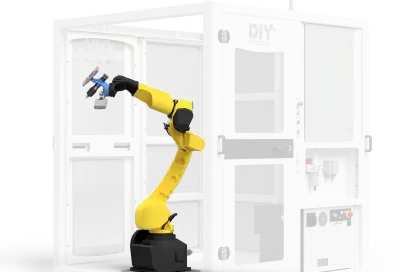
Engage with automation partners, such as robotics manufacturers, system integrators, and technology providers, who can provide expertise and support throughout the implementation process. Work closely with these partners to design and configure your automation system, ensuring it meets your specific requirements and integrates seamlessly with your existing infrastructure.

3.5 Test and Fine-Tune

Before fully deploying your automation system, conduct thorough testing and validation to ensure its functionality and performance. Identify any issues or areas for improvement and make necessary adjustments. Continuously monitor and fine-tune your automated processes to optimize their efficiency and effectiveness.

3.6 Monitor and Evaluate

Once your automation project is up and running, establish a system for monitoring and evaluating its performance. Track key metrics, such as productivity gains, cost savings, quality improvements, and employee satisfaction. Regularly review these metrics and make data-driven decisions to further optimize your automation processes.

  1. Overcoming Challenges and Ensuring Success

Implementing robotic automation can present certain challenges, but with proper planning and execution, you can overcome these obstacles and ensure a successful automation journey. Here are some common challenges and strategies to address them:

4.1 Workforce Transition

One of the main challenges is managing the transition of your workforce to automated processes. Provide comprehensive training and re-skilling programs to help employees adapt to new roles and responsibilities. Emphasize the benefits of automation and the new opportunities it can create for personal and professional growth.

4.2 Integration with Existing Infrastructure

Ensure your automation system integrates seamlessly with your existing infrastructure, including machinery, software systems, and data networks. Collaborate closely with automation partners to design a system that can effectively communicate and interact with other components of your operations.

4.3 Cost Considerations

While robotic offers long-term cost savings, the initial investment can be a barrier for some businesses. Conduct a thorough cost-benefit analysis to understand the potential return on investment and consider alternative financing options, such as leasing or renting automation equipment. Start with smaller automation projects and gradually scale up as you experience the benefits and generate savings.

4.4 Regulatory and Safety Compliance

Comply with all relevant regulations and safety standards when implementing robotic automation. Ensure your automation system meets the necessary safety requirements to protect both your employees and the end-users of your products or services. Stay informed about any updates or changes in regulations that may impact your automation processes.

Robotic automation offers tremendous potential for businesses looking to enhance their efficiency, productivity, and competitiveness. By understanding the benefits, identifying automation opportunities, choosing the right technology, and planning and implementing your automation project effectively, you can embark on a successful automation journey. Overcoming challenges and staying informed about future trends will ensure that your organization remains at the forefront of the rapidly evolving field of robotic automation. Embrace the power of automation and unlock new possibilities for your business. The future is here!

Learn more about automation here

The Importance of Calculating Robot Payload for Optimal Performance

When it comes to selecting an industrial robot, one of the most crucial factors to consider is the payload capacity. The payload refers to the maximum weight that the robot’s wrist can support, including not only the workpieces but also any end-of-arm tooling (EOAT) and bracketing integrated with the robot wrist. It is essential to accurately calculate and set the payload to ensure optimal performance and avoid potential issues. This article will delve into the significance of calculating robot payload, the impact it has on various applications, and how to determine the correct payload for your specific needs.

Understanding Robot Payload

Payload capacity is typically one of the first specifications provided by robotic manufacturers and serves as a defining characteristic of the robot. It is expressed in weight units, with kilograms (kg) being the most commonly used unit. Industrial robots are available in a wide range of payload capacities, from as light as 0.5 kg to over 1000 kg. At this point, you understand that the payload capacity determines the maximum mass that the robot can handle effectively.

When selecting a robot for a particular application, considering the payload capacity is crucial. Choosing a robot with an inadequate payload can lead to application failure, potential damage to the robot, or even safety hazards. On the other hand, selecting a robot with a payload capacity that exceeds the requirements can result in inefficiencies, increased cycle times, and unnecessary floor space utilization. Therefore, it is essential to find the right balance and select a robot with the optimal payload capacity.

Safety Considerations and Fine-Tuning

Setting the correct payload is not just about determining the weight that the robot can carry. It also plays a vital role in ensuring safety, especially in collaborative robot environments where human-robot interaction is anticipated. By setting the payload for each motion, the robot becomes aware of the weight it is carrying and the forces it should be experiencing. If the applied force exceeds the predefined safety setting, the robot can react accordingly, such as slowing down or stopping to prevent accidents or injuries. Therefore, setting the payload accurately is crucial for maintaining a safe working environment.

robotic payload calculatorIn addition to safety considerations, the payload setting also affects the robot’s acceleration. The robot needs to be aware of the payload it is carrying to ensure proper acceleration without overloading the motors or causing undercurrent issues. If the robot is programmed with a higher acceleration setting while carrying a heavy payload, it may trigger overcurrent warnings or emergency stops. Conversely, if the robot thinks it has a certain payload but is actually carrying a lighter load, it may accelerate too quickly, leading to collisions or misalignments. Therefore, accurately setting the payload is crucial for maintaining smooth and controlled acceleration.

While the robot’s payload capacity is determined by its physical capabilities, it is possible to fine-tune the payload setting to optimize the robot’s performance. By adjusting the payload program when the robot is not carrying a specific payload, the safety settings can be calibrated more precisely. This allows the robot to react appropriately and avoid unnecessary stops or slowdowns during normal operations. Fine-tuning the payload setting can enhance the overall efficiency and productivity of the robot.

Considerations for End-of-Arm Tooling

When calculating the robot payload, it is essential to consider not only the weight of the workpiece but also the additional weight of the end-of-arm tooling (EOAT) attached to the robot’s wrist. Whether it is a gripper, welding torch, paint sprayer, or dispensing nozzle, the weight of the tooling adds to the overall payload that the robot needs to handle. Therefore, the payload capacity should account for the weight of both the workpiece and the tooling to ensure optimal performance.

Tools for Calculating Payload

To determine the correct payload for your robot and application, various tools and calculators are available. These tools take into account factors such as the mass, inertia, and distance of the tooling’s center of gravity from the robot’s endplate. By inputting these parameters, the calculators provide an estimate of the payload that the robot can handle effectively. Utilizing such tools can help in selecting the most suitable robot and avoiding any potential performance issues.

Did you have a look at our free payload calculator? Try it now!

In conclusion, accurately calculating and setting the payload for your industrial robot is crucial for optimal performance, safety, and efficiency. The payload capacity determines the maximum weight that the robot can handle effectively, including the workpieces and any attached end-of-arm tooling. By considering the payload in the robot selection process, fine-tuning the payload setting, and accounting for the weight of the tooling, you can ensure that the robot operates at its full potential. Utilizing calculators and practical testing methods can aid in accurately determining the optimal payload for your specific application. By prioritizing payload calculations, you can maximize the productivity and success of your robotic system.

Additional Information:

  • It is essential to consult the robot manufacturer’s specifications and guidelines for accurate payload calculations.
  • Regular maintenance and calibration of the robot are necessary to ensure its optimal performance and safety.
  • Collaborative robots require special attention to payload calculations due to their interaction with humans in shared workspaces.
  • The correct payload setting enhances the robot’s accuracy, precision, and overall productivity.
  • Ongoing monitoring and adjustment of the payload may be necessary as applications and tooling requirements change.

IMPORTANT QUESTIONS REGARDING DIY ROBOTICS CELLS

Welcome to Part Two of a collaborative blog with DIY Robotics and Exact Automation. In Part One, we touched on some topics and questions regarding an automation investment. If you are interested in Part One, please feel free to visit the page here: https://exact-usa.com/future-evolution-of-an-automated-production-line/

In this part, we will answer frequent questions about robotic cells and explain how robotic equipment is an excellent solution to increase the overall efficiency of a workplace. There are a wide range of products, models, and equipment available to automate a production procedure. However, integrating robotic equipment onto a product floor is not an easy or straight-forward task. Many steps and precautions need to be taken before choosing the right equipment for the job. It is important to ensure you have correct information to ensure great fit for the automated equipment on your production floor. At DIY Robotics, we provide detailed product pages, an easy contact service, as well as an online forum to provide all the knowledge our customers may inquire about our products.

Frequently Asked Questions

Is our product more durable than other mobile products?

Other mobile products are often constructed using aluminium to ensure a lightweight mobile product. Some products also provide full customizability at the expense of its stability and structure. Although easily moveable, these cells shake during the movement of the robot and are not strong enough for full speed industrial applications. Thankfully, our robotic cells are crafted with durable materials to ensure our product is robust and avoids vibrations and movements caused by the robot. We have a variety of cells available for different sizes of robots, each constructed to provide the necessary stability the robot requires in order to operate at its maximum speed.

Why is modularity/mobility a benefit?

DIY Cells WheelIn terms of modularity, our robotic cells can be configured by our experts according to your needs. Since a robotic cell would be interacting with other equipment or stations, it is incredibly important to ensure its composition is compatible with its surroundings. Examples include adding passages for a conveyor, openings to take products from a molding machine, doors for easy maintenance, etc. On a similar note, our cells can also be re-customized to work at another station or with another machine.


With regards to mobility, processes and layouts of production floors change often. Equipment may need to be altered, relocated, or installed. Traditional robotic equipment is bolted to the ground and may consume large amounts of time to install or move. Since our cells are completely mobile and preassembled, it takes a fraction of the time. This saved time can be reinvested into an earlier production which will increase efficiency. Similarly, if more cells need to be added to an assembly line, the installation time would be minimal.

Is it just a box around a robot?

DIY Robotics cells provide so much more than that; our cells are equipped with essential components like e-stops, control panels, tower lights, etc. As stated above, our cells are completely mobile and modular and provide a huge range of benefits for any industry. In other words, our cells are specifically designed to grow and adapt to any business. Depending on the selected product or model, our cells can accommodate a range of robot sizes, come equipped with dependable robots, or provide other features required by your projects. Moreover, each DIY Robotic Classic or Advanced cells come with a program base to ease their integration into a production line.

INCLUDED PROGRAMS

  • Background logic programs for alarms, lights, locking sequence and timers for the general work of the robotic cell;
  • Two HMI pages; one for the general work of the cell and one for the product selection;
  • 10 programs associated to the product selection HMI page;
  • The cell is programmed to be operated with 3 buttons (stop, reset, start). It starts the main program that calls the selected product;
  • One homing program selectable by a macro.

If you would also like more information regarding our cells and how they grow and adapt with your business, feel free to visit the blog post that addresses the topic: https://diy-robotics.com/blog/how-diy-robotics-cells-can-grow-with-your-business/.

Will my products fit in the cell?

DIY Robotics offers a range of robotic cells each with its own workspace capable of supporting different robots and payloads. Each of our models on our website displays the cell dimensions to allow our customers to ensure they find the right cell capable of working with their products. The cell walls are also customizable to better interact with external equipment within your production floor.

Aren’t the wheels too fragile for such a large weight?

Each of our robotic cells is equipped with industrial-grade wheels capable of supporting a load much larger than the cell, robot, and payload combined. Based on the model chosen, the following list displays the load capacities of each cell:

ModelAverage WeightOverall Capacity
Astro-33261 kg (575 lbs)500 kg (1102 lbs)
Astro-53750 kg (1650 lbs)500 kg (1102 lbs)
Astro-662250 kg (4950 lbs)1100 kg (2425 lbs)
Comet-33340 kg (750 lbs)500 kg (1102 lbs)
Comet-44590 kg (1330 lbs)500 kg (1102 lbs)
Satellite-551111 kg (2450 lbs)600 kg (1322 lbs)
Satellite-661293 kg (2850 lbs)600 kg (1322 lbs)

Will the cell move when the robot operates at high speeds?

Our robotic cells are carefully designed and constructed to negate vibrations and movement during a robot’s operation. This is due to the rigid and strong characteristics of the cell’s frame as well as the secure leveling pads. Effectively, the robotic cell acts as if it is bolted to the ground.

Is robotics only for big industries?

Robotic equipment can be seen in any sized industry which is looking to increase its production efficiency. At DIY Robotics, our aim is to facilitate all industry sizes. In fact, our robotic cells are well suited for medium to small industries that are looking to integrate robotic equipment for the first time or want to increase their robotic arsenal. This is due to the affordability as well as the modularity and mobility of our cells. As stated above, our cells can be relocated, customized, and reprogramed to perform any automated task without the hassle of a full uninstall.

How much time/money can a DIY cell save me in my project vs. standard robotics?

Standard robotics are often open systems which have limits to their movement speeds due to the hazard they present to their surroundings. Therefore, they often require fencing, or large amounts of floor space just to operate effectively and safely. By creating a private workspace for a robot via a DIY Robotics cell, it can operate at higher speeds without risking human injury. This increases the overall efficiency of a production floor better than a standard robot. Hence, time and money will be better utilized by a robot with a work cell.

For companies and industries who are integrating robotic equipment to their production floors for the first time, or reworking their production layouts will have to plan a shutdown in order to achieve a smooth installation. This process can be incredibly lengthy. If it is not performed correctly, the amount of time, money, and effort will be unexpectedly large due to the halt in production. Standard robotic equipment is traditionally installed by bolting it directly to the ground for a more permanent solution. If the equipment needs to be moved or replaced, it would need to be uninstalled similarly. This process is much longer than the installation of a robotic cell. DIY Robotics cells come pre-built and are completely module. These aspects reduce installation time greatly and allow the robot to be moved with ease in the case of unexpected errors, or if the equipment is needed elsewhere. This allows factories to produce their products sooner which in turn will save them a great deal money.

How do I manage external interaction with the DIY cell in my project?

External interaction can be effectively managed on both the hardware and software sides of our robotic cells. As stated above, the modularity of our cells allows for customization of the robot’s environment. Unique doors and openings can be added to allow external devices like conveyors, other robots, and CNC machines to be installed alongside the robotic cell in a safe and effective manner. Our cells are equipped with Euromap connectors to allow communication with external machines (like injection molders) for a joint custom application. Our DIY Classic and DIY Advanced options also come equipped with a FANUC or ABB robot which is fully compatible with CNC programming via the teach pendant, or installed software.

Conclusion

To conclude, our robotic cells provide an excellent solution or addition to any automated production floor. This equipment increases overall efficiency and can save an industry a large sum of money, allowing for a quick return on investment. As stated above, this blog is Part Two of a collaborative blog with Exact Automation. If you would like to view Part One, please visit this website: https://exact-usa.com/future-evolution-of-an-automated-production-line/. This blog post also only covered a few questions regarding our robotic cells. If you have any other inquiries about our products and their capabilities, please feel free to visit our product page for more specific information, or contact us and we will put you in touch with an expert on the subject.

References

APPLICATIONS OF ASSEMBLY ROBOTS

As companies upgrade their production floors to be on track with Industry 4.0, so does the demand for automated equipment. By integrating automation, industries can increase their overall production and efficiency, while lowering costs and hazards. The best way industries can achieve automated production is through the use of robots. In today’s world, robotic equipment fulfills a wide range of applications within the manufacturing industry. This could be as simple as pick and place robots, or as complex as automotive robotic welders. One of the most common applications for robotic technologies is product assembly.

Assembly Robots in Industry

Assembly robots are commonplace within any manufacturing environment. They are capable of performing mundane and repetitive tasks with ease. Due to the accuracy of a robot’s EOAT, assembly robots are also perfect for constructing products that require a delicate or precise touch. Such products could involve anything with electronics or compact components. Assembly robots are also capable of working with awkward and heavier parts which a human would find hazardous. In modern assembly lines, almost all nodes within the line are operated by robots or some sort of automated equipment. This ensures that a consistent and accurate construction process is maintained.

An automotive factory is a great example of an industry that utilizes these concepts. Vehicles consist of hundreds of complex parts which vary in size and their installation method. Due to the amount of unique maneuvering required to install the components of a vehicle, it would be best suited for a robotic arm to perform these tasks. Hence, automotive assembly lines mainly consist of robotic assemblers. These robots work in cohesion to produce completed vehicles at a consistent rate. Heavier objects like the motor and vehicle frame can be installed easily without endangering workers. 

Benefits

Efficient
Assembly robots perform instructions and tasks at greater speeds and with greater precision than human workers. Assembly robots are also able to provide a better-quality product since they are more consistent and precise in their assembly process. Robotic assembly installations are also capable of operating 24/7, with the exception of occasional maintenance breaks. As a result, productivity can be maximized which will increase production rate in a smaller timespan and increase profits.

Cost Effective
As stated above, robotic assemblers are extremely efficient at performing their tasks. Increased productivity leads to increased profits. Installing robotic equipment in the place of human workers will also allow a production floor to significantly reduce labor costs and replace them with a lower powering cost. This will lead to a quick return on investment.

Hazard Reduction
Due to the ability to work with heavy, awkward, and dangerous materials or parts, assembly robots can reduce hazards to which a human worker would be subject to. In other words, a robot is more capable and adaptable to hazardous work environments. This in turn can save money which would have been used to provide workers with PPE, safety equipment, etc.

Restrictions

High investment
Robotic equipment can often have a high investment value. This includes the initial cost of the robot, as well as installation and maintenance. This cost can often exceed that of a worker’s annual wage. However, as stated above, the cost-effectiveness of a robot in long-term use results ini a quick return on investment.

Personnel Expertise
Due the complexity of robotic installations and processes, it is important to have access to personnel who are familiar with the robotics field. Companies with a mass number of robotic installations should ensure a member of staff with this expertise is on-site in the case of unexpected errors or downtime. The labor costs of this employee may be large, but the benefits that countless robotic installations provide easily out-ways this disadvantage. DIY Robotics has an advantageous support program for all of our robotic cells; that combined with the large robotic knowledge base our specialists possess provides all the expertise you require.

Maintenance
For production floors with any quantity of robotic equipment, performing frequent and correct maintenance is extremely important to keep efficiency high, and prevent unexpected errors and downtime. This mainly includes safety inspections, system analyses, cleaning, and upkeep (if a machine has a consumable resource or disposable parts). As stated above, it would also be necessary to have an employee with the expertise to perform this maintenance correctly.

Conclusion

In summary, robotic assemblers provide a necessary benefit to all manufacturing environments. Despite having a large initial cost, this robotic installation can increase efficiency and safety while keeping product consistency. If you have any questions regarding robotic assemblers or have a general inquiry about a certain subject or our products, do not hesitate to contact us and we will put you in touch with an expert: https://diy-robotics.com/free-consultation/.

References

HOW TO ATTEND A ROBOTICS TRADE SHOW EFFECTIVELY

More and more industries are turning towards industry 4.0 with the use of automation and robotics. To ensure an industry is leading in a manufacturing climate, they must ensure their robotic equipment is effective and of top-grade quality. Therefore, is it crucial to be well educated and informed on the variety of equipment and technology available. Often, it is hard to acquire such knowledge or satisfy any questions from websites and manuals alone. It is important to view and work with robotic equipment physically before confirming that you wish to integrate it. Companies could plan a showcase of their products; however, these can be time consuming and might not deliver the answers and information a customer is looking for. Robotic trade shows are an excellent solution to this.

What are Robotic Trade Shows?

Also known as trade exhibitions or a robotics fair, a robotics trade show is a scheduled public event where companies and industries can showcase their products, technology, and research at a booth. They provide an excellent and effective form of marketing for both buyers and sellers. During these shows, customers who are be interested in robotic products have a chance to ask questions about any aspect of robotics, as well as spectate the workings of different equipment. This provides an opportunity for customers to receive first hand experience and knowledge, as well as give option to purchase or close deals. However, due to the great opportunity companies have to showcase their products, these trade shows are often clustered and can be quite overwhelming since each exhibitor wants your attention. It is important to have an effective strategy before attending these shows to ensure you acquire the maximum value in your visit.

Effective Strategies

A robotics trade show is likely to have a wide variety of technology available, some of which might not even relate to the field you wish to inquire about. Before attending these events, it is important to know what it is you are looking for in order to plan your time effectively. These events often have a member list along with a location of their booth on a floor plan. This can be found on the show website or during the event. When you arrive, you can simply visit their location and avoid the unnecessary booths.

Depending on the organization of the exhibition, companies with similar technology would be grouped together, giving visitors a categorized experience similar to a superstore. Upon arrival at a booth, it is also important to have a list of requirements or expectations available for the vendor. This will allow the vendor to provide the best solution they have for your company. Similarly, you can visit other booths within the show who may satisfy these requirements more appropriately.

Due to the popularity of these events, it can often be hard to receive a vendor’s full attention because of other potential customers. Establishing your intentions or informing a company of your visit will allow them to prepare a presentation. Certain companies will even schedule appointments during these events to provide a more personal, hands-on display of their products.

To summarize, robotic trade shows provide an excellent way for a company to acquire knowledge and information regarding new equipment, technology, and research. It is important to know what you are looking for before attending these shows since it is often a busy event. Plan which booths you wish to visit, as well as a list of requirements your company needs for equipment. Thank you for reading this week’s post on Robotic Trade Shows. If you have any questions, please feel free to contact us and we will provide you with the knowledge you require: https://diy-robotics.com/contact/.

References